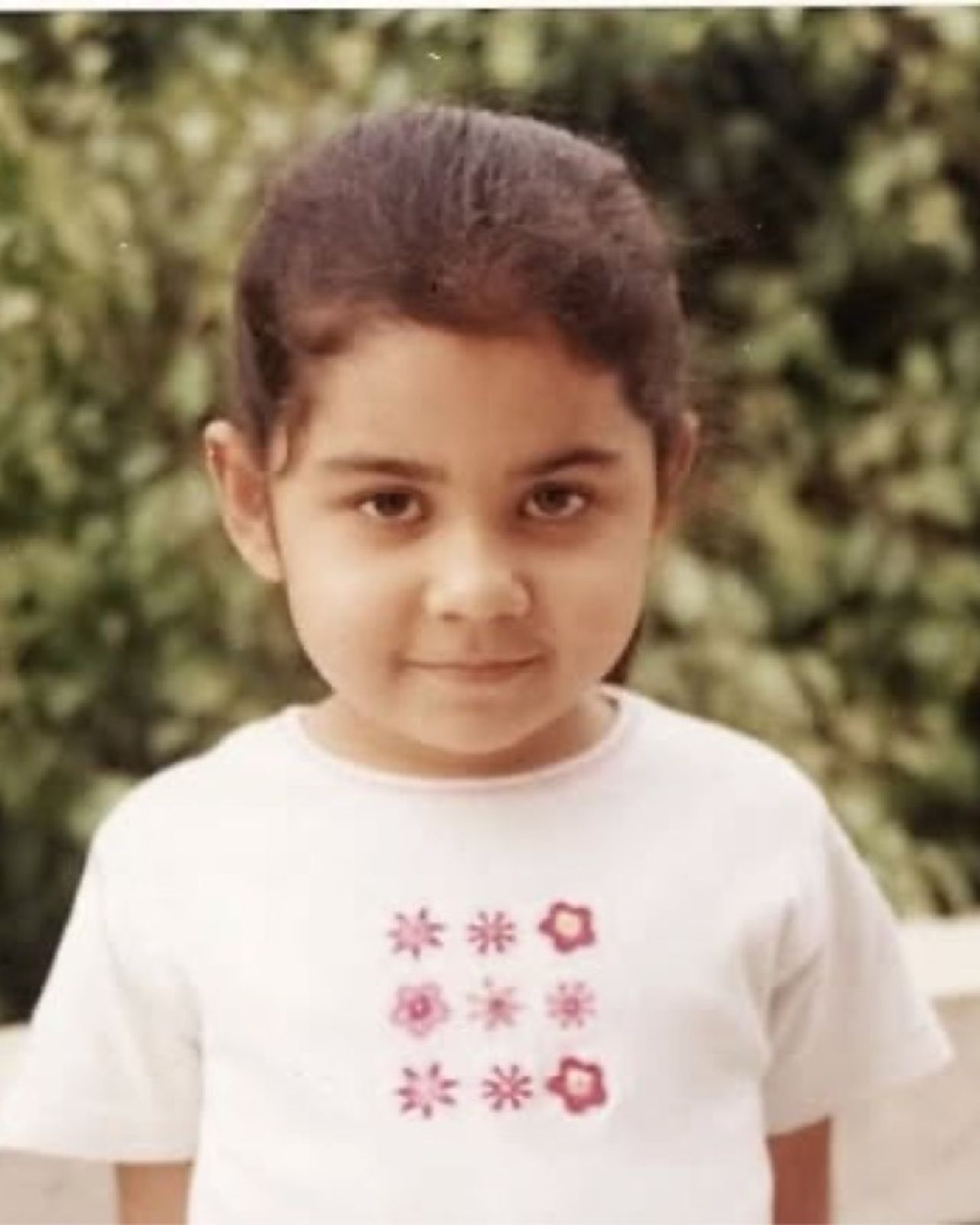
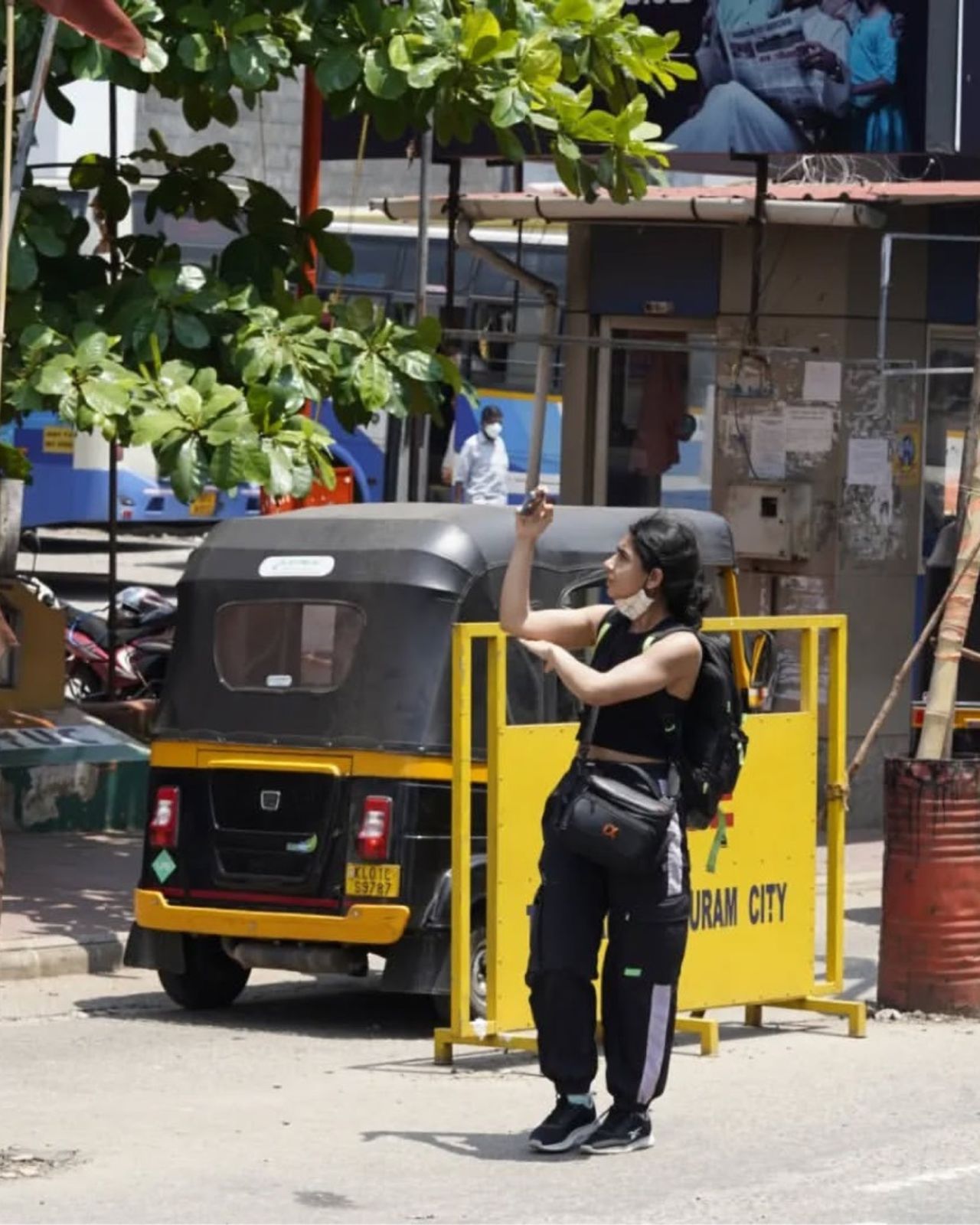
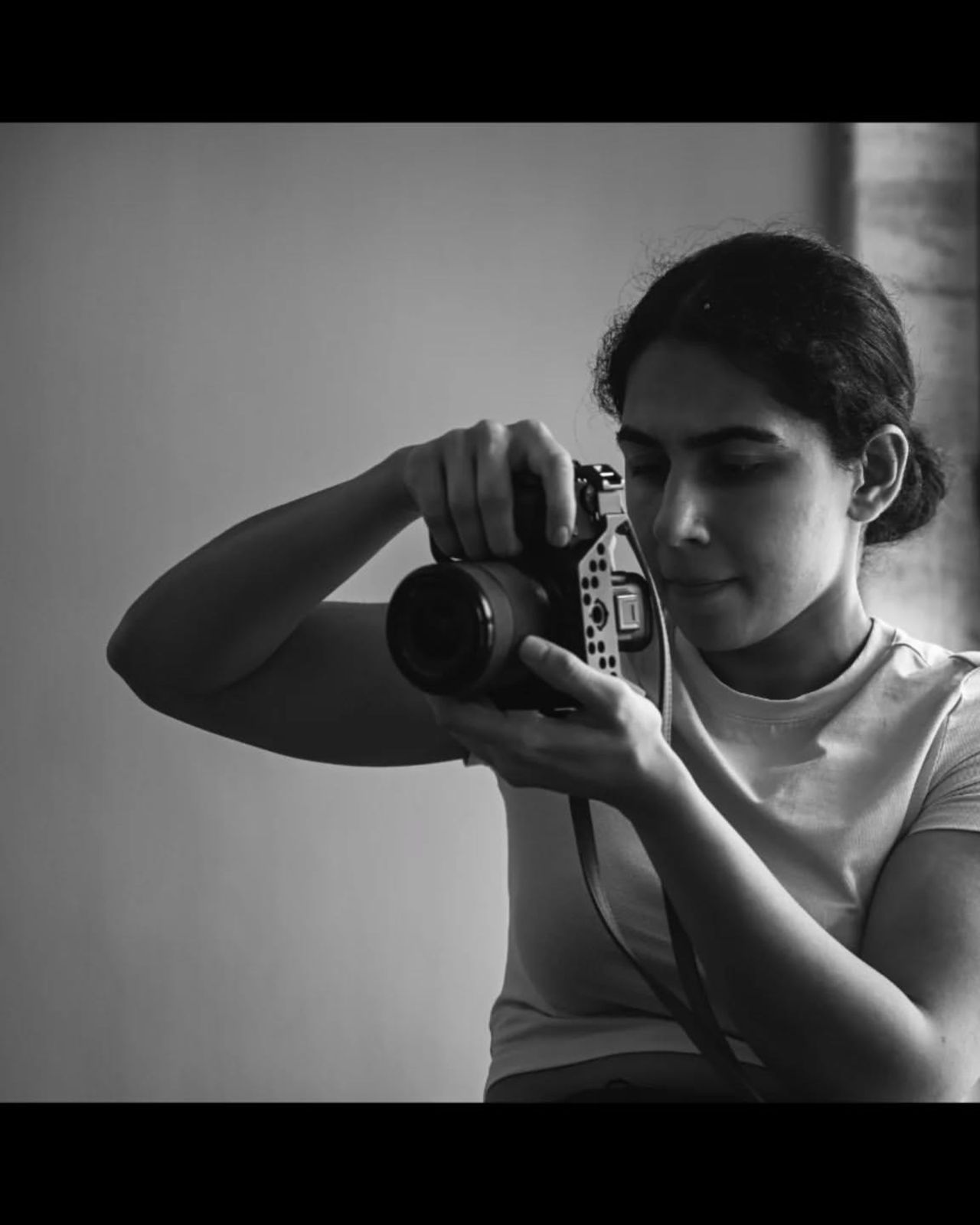
The birthday cards were the first clue. While other kids picked up store-bought
greetings, young Natasha Makhija was building 3D mini-productions — foil hearts, layered
textures, tiny details. Her friends adored them; she adored making them. Without
realising it, she was absorbing the core lesson that would shape her filmmaking:
authentic creativity always rises above the noise.
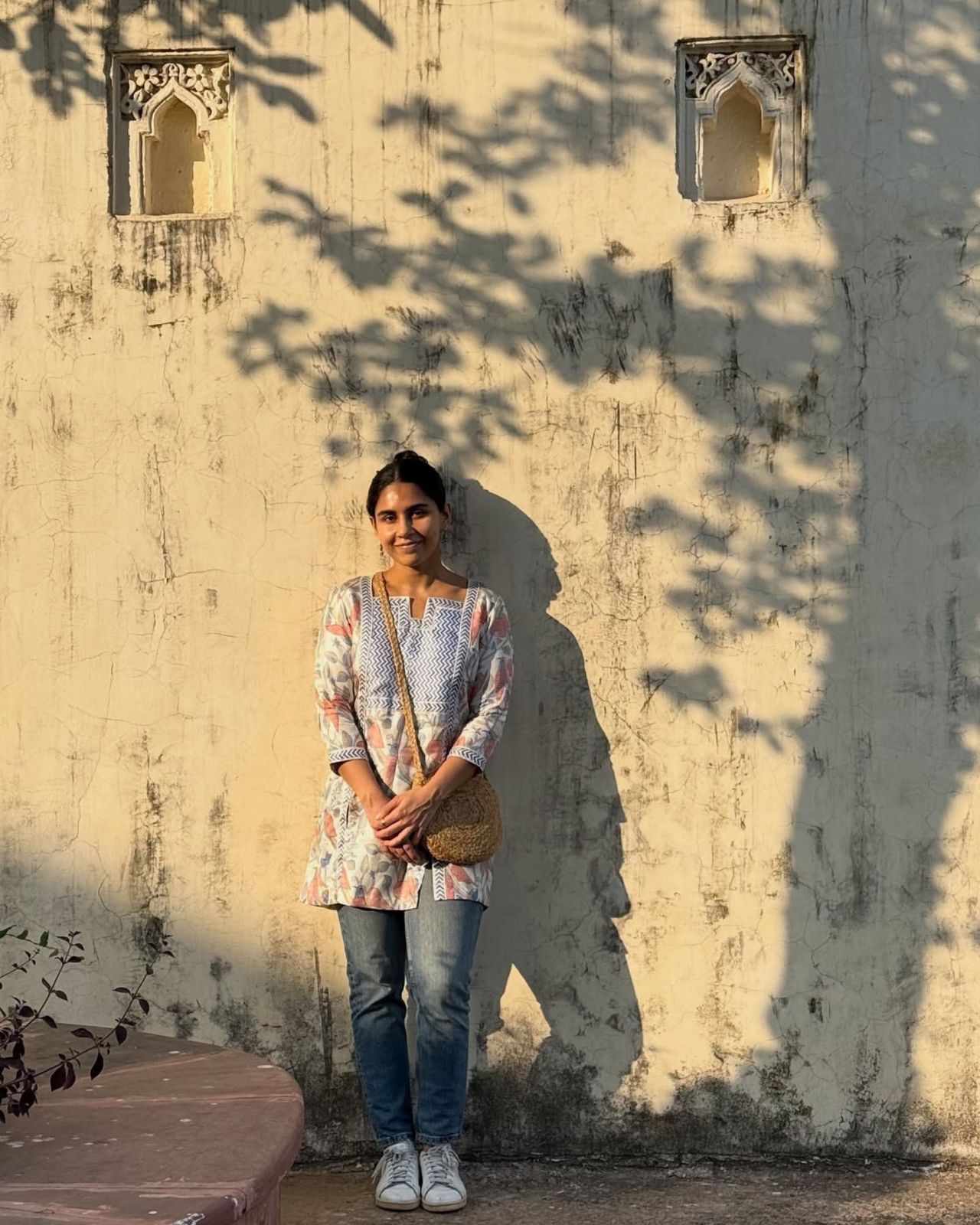
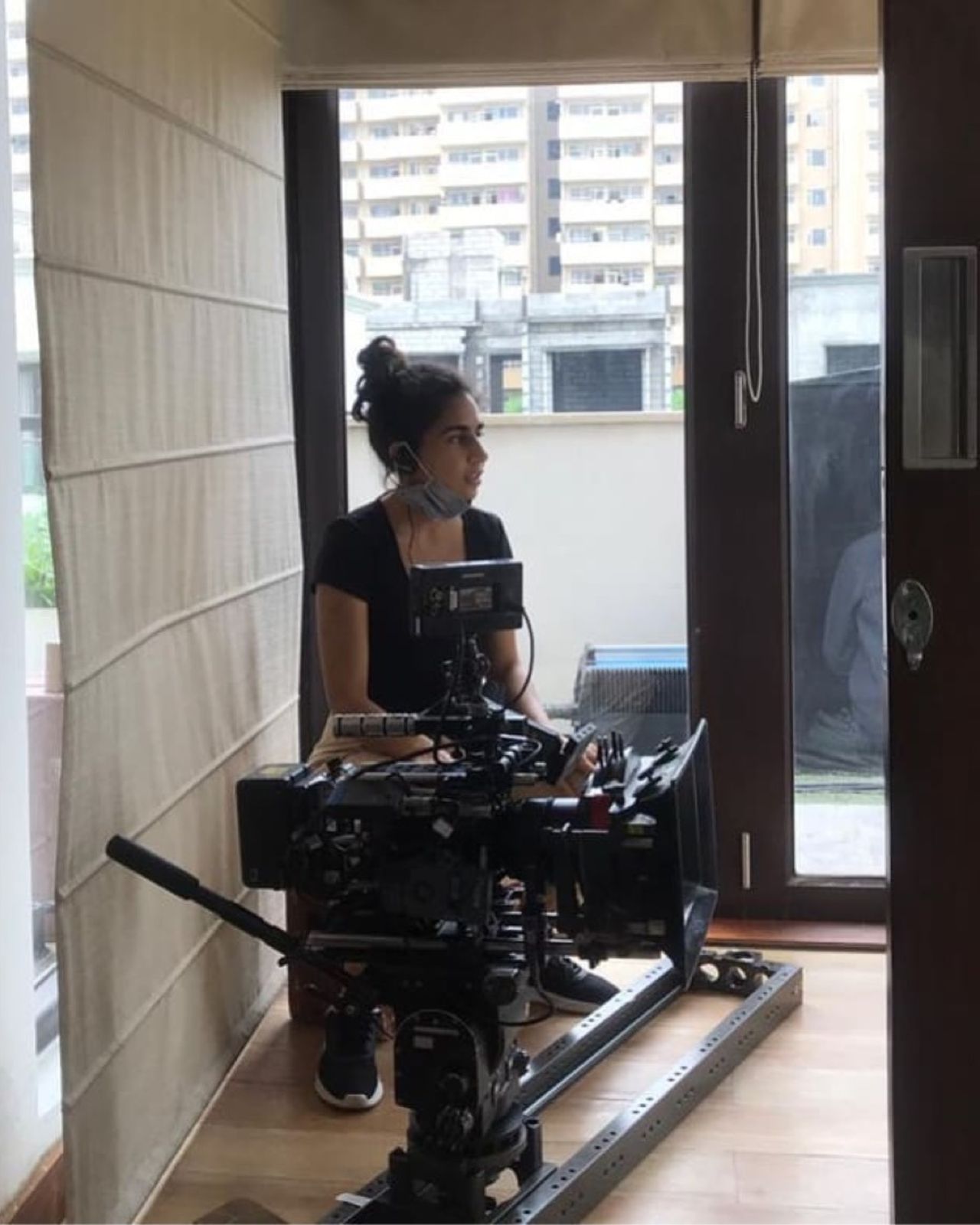
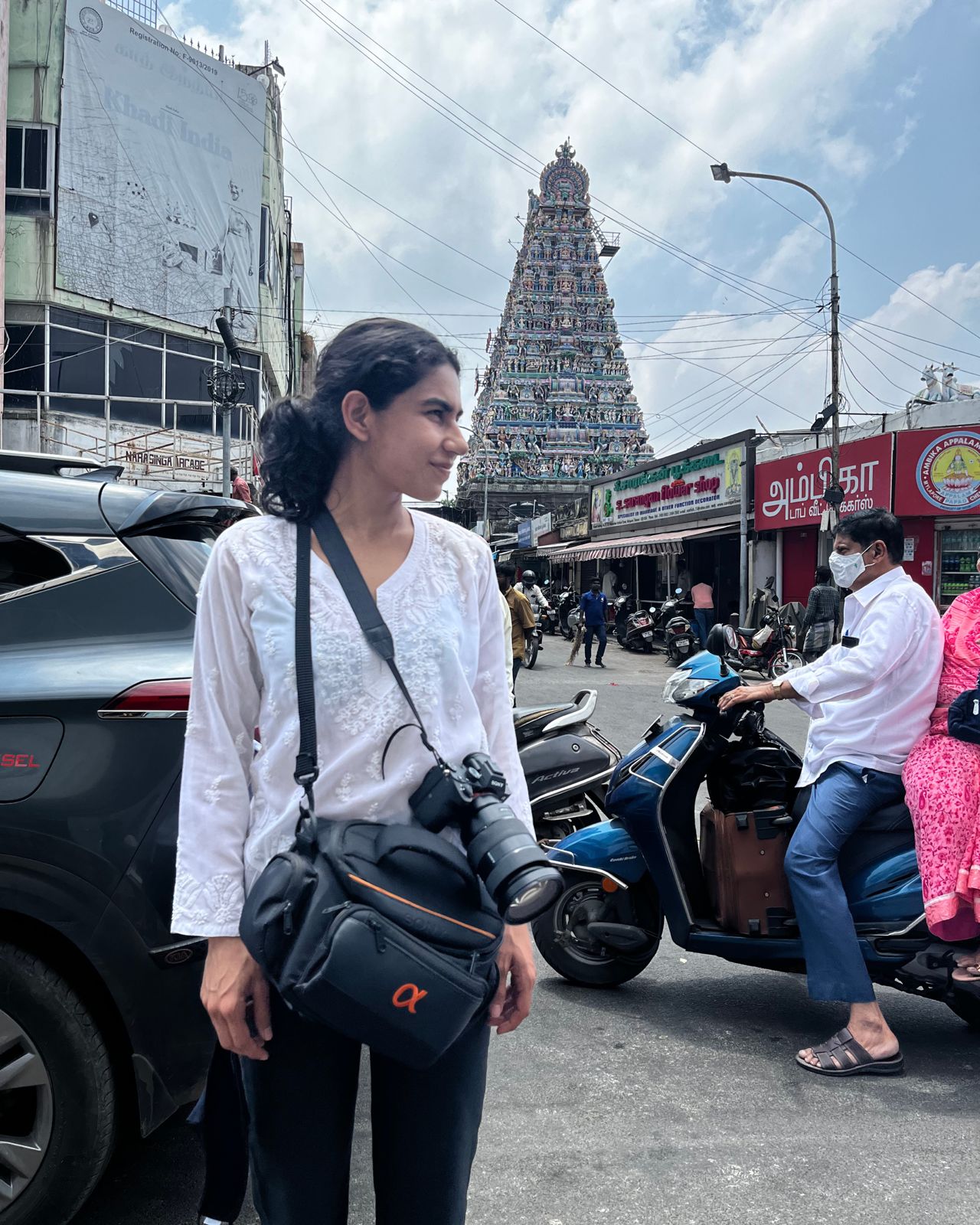
Today, the 27-year-old Delhi-based filmmaker holds something many in her generation are
still chasing — clarity of voice and a deliberate plan to express it. In an industry
obsessed with overnight success and romanticised struggle, Natasha represents a
different archetype: the practical dreamer who has done the groundwork and knows exactly
where she’s headed.
The Foundation: Born From Imagery
Natasha grew up in Delhi in a house where creativity wasn’t compartmentalised, but
rather just part of the daily. Her mom painted, and her artwork hung on the walls
throughout their home. "She didn't end up being a painter, she ended up being a
designer, but close," she explains. The message was clear: .
"making art wasn't something special you did once in a while. It was woven into regular life"
Explore Natasha Makhija’s Work
From the time she was little, Natasha was drawn to anything she could see, shape, or
create. She won a prize for clay modeling in first grade and took pride in having the
best diagrams in her graphics class.
Natasha turned even the simplest creative tasks into elaborate passion projects. Ask her
what they meant and she’ll tell you they weren’t just casual crafts — they were her
first real creative ventures, complete with planning, design, and that satisfying moment
when someone else connects with something made with intention and care.
The Road to Clarity
Despite having supportive parents who never put restrictions on what she could pursue,
Natasha experienced the feeling of being lost right after high school. "I could do
anything, but I didn't know what I wanted to do," she says. Sometimes having too many
options can be just as paralysing as having too few.
She enrolled in political science at Delhi University’s Gargi College, but within a few
months knew it was not a good fit for her. "I really, really disliked it," she admits.
But dropping out wasn't a practical option, so she stuck with it, going through the
motions while feeling disconnected.
During this time, though, something was happening on Instagram that would eventually
change her trajectory. She started noticing professional photographers who were
traveling the world, taking beautiful pictures, and actually making money doing it.
"That sounds like a great deal, something that I would want to do" – this thought wasn't
a lightning-bolt moment, but it was the first time in a while where she knew she wanted
to pursue something with surety.
The Day She Met Her Lens
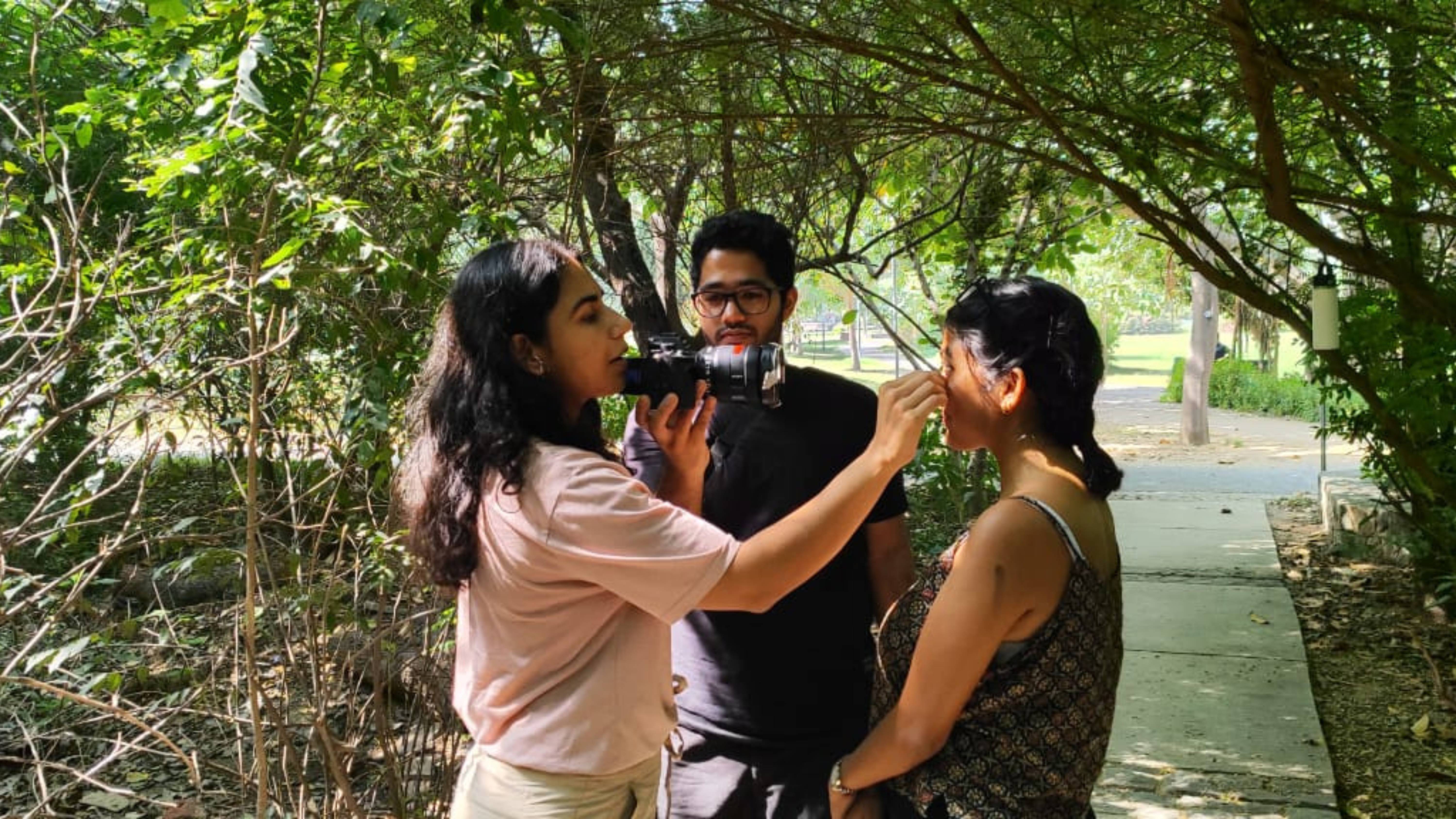
For her 19th birthday, her father gave her a Nikon D3400. That camera became more than
equipment as it turned out to be her tool for exploration. It accompanied her on family
vacations, at college events and literally everywhere. She joined her college's
photography society and suddenly found herself surrounded by people who were just as
excited about images as she was.
"It was just so much fun because I discovered this new possibility that I could not even
think of in school," she explains. The space opened up a world she hadn't imagined in
reality. She spent days discussing photography with other students, going on photo
walks, learning by doing.
Cut to: a three-month internship at Little Anarchy Films introduced her to videography.
"I realized, okay, photography is a thing, but people also do video," she says. Each new
discovery was expanding what she thought was possible for someone like her.
Spain, and the Self She Found There
After college, Natasha took a plunge. She decided to take a gap year and teach English
in Spain which was on her bucket list. She packed her camera, excited about all the
beautiful shots she'd capture in a new country.
But something unexpected happened. Despite being in gorgeous locations with her camera
always ready, she felt empty. "I was constantly shooting, but I felt this emptiness,"
she recalls. "I was like, okay, I'm teaching English. I'm here, but I'm not able to
really, really do what I want to do."
Spain didn't teach her new photography techniques, but did something more crucial for
her career and personal journey. Being away from everything familiar made her realise
how much she actually wanted to work in film. The beautiful scenery wasn't enough if she
wasn't doing work that felt meaningful to her. She didn't just want to be a photographer
who traveled; she wanted to be a filmmaker who told stories. The distinction mattered,
and understanding it early saved her from pursuing the wrong path for years.
Around that time, she chose to teach herself basic editing via YouTube videos, picking
the right music, and other elements that work together. So then, Natasha came back to
India, knowing better than ever that she had to pursue this seriously.
COVID hit just as Natasha returned home. Like everyone else, she was stuck at home. She
worked online as a personal assistant to pay bills, but she also used the time to keep
practicing. She set up a little studio in her drawing room, using natural light from one
corner to shoot product photos and food photography.
"I had these images in my portfolio that I put together and I would send those across to
wherever I was applying," she explains. She was applying to production houses
everywhere, and eventually one of them—Uncommon Sense Films—reached out.
Real-world film school and the stepping stones
The two years she spent at Uncommon Sense Films became her film education. But it wasn't
like any traditional film school. "That place really taught me how to shoot with even
just nothing. We would just be told, okay, you have to make something, you don't have
the budget, just shoot something."
At first, this was frustrating. Natasha and her colleagues would complain about the lack
of resources. But looking back, she realises this was exactly what she needed to learn.
"Even though we would hate it at that time, we were frustrated, but in retrospect, I
understand how much that taught me about filmmaking."
The lesson was simple but powerful: you don't need perfect equipment or ideal conditions
to tell stories. "You just need a camera and you just need to get started." While film
school would weave in theory, Natasha was learning the most practical skill of all in
real time: how to create something meaningful with whatever you have.
She'd always wondered about film school but could never justify the cost. But these two
years proved that formal film education wasn’t a make or break for her. She was getting
hands-on experience and learning from people who were actually out there in the
industry.
The City That Tested Her
Soon after, Natasha decided to take the leap that countless young creatives before her
had made. She went to Mumbai with the hope of working in the 'industry', like all young
aspirants. The dream was intoxicating: the glamour, the scale, the prestige of working
in the heart of Indian cinema.
But it took a different turn. "It only took one set experience to make me realise that
it is not for me," she reflects. "The stress around a shoot, set politics and hierarchy
take the joy out of creating for me." The very environment that was supposed to nurture
her creativity was stifling it instead. Something felt missing in those spaces, to her.
This experience fundamentally shifted her understanding of what success meant to her.
"It changed the definition of 'success' for me - which has now become enjoying the work
that I do and creating pieces that are authentic to me."
The revelation was liberating: success didn't have to mean conforming to an industry's
expectations if those expectations compromised the very reason she wanted to create in
the first place.
Looking for More Than Just Work
So she returned to Delhi, not defeated, but clearer about what she actually wanted from
her career.
"I've worked with a lot of companies, I've worked on huge projects, but they don't often
bring that sense of fulfillment," she explains. The work was professional and
well-executed, but it didn't feel like her. "It's a lot of running around, it's a lot of
doing things because you're told to do those things."
She's realised that there's a difference between being good at filmmaking and having
something personal to say through film.
"We all have something to tell and we often get very stuck up in the commercial or in the hustle side of things," she observes. "We need to make this money, we need to create a name for ourselves... All that is very important, but in that process, we also tend to lose our voice."
Explore Natasha Makhija’s Work
On navigating the field as a woman filmmaker, she says it comes down to being selective,
surrounding herself with collaborators who value her contribution rather than see her
gender as a limitation.
"We all are very well aware of the prejudices the industry has against women," she says
matter-of-factly. "You are always on-guard being a woman on set."
Rather than letting this reality discourage her, she's developed a pragmatic approach.
She's also reframed what might be perceived as a disadvantage into a strength. "I
believe that being a woman can be your strength. We think intuitively, emotionally - and
that's what filmmaking needs."
So, where does Natasha find herself today?
At the juncture where skill and experience meet personal expression. "This phase of my
life is about finding my voice and creating films, creating art, or creating things that
I am proud of and that are me," she says.
It's not that she's rejecting commercial work, but she wants to be more selective about
what projects she takes on. She wants to spend time writing her own ideas and creating
films that come from something she genuinely cares about. "I want to take some time to
really sit down, write my own things, create my own ideas and execute those," she
explains. "Because I think that's why we creatives want to create. We all have something
to tell."
Through this self-discovery process, she also solidified her style of filmmaking, rooted
in the mundane and the nature that we so often overlook. “I am drawn and inspired by
nature and simplicity. Those are the things I want to romanticise in my work.. the
beauty in the everyday,” she says and it reflects in how she perceives her unique yet
steady positioning in an industry that often celebrates either overnight success or
decades-long struggles.
Natasha represents something that separates her from the crowd: the young, female
professional who has done the work, identified her direction, and now knows exactly what
she wants her work to stand for.
She’s in pursuit of a particular kind of professional approach. She's not trying to
prove herself through extreme measures or waiting for permission from gatekeepers.
Instead, she's methodically building her skills, clarifying her vision, and creating
opportunities that align with her goals.
As she continues exploring what her voice wants to say, Natasha embodies the most
essential truth about creative growth: that finding your voice isn't about having
perfect conditions or formal permissions, but revolves around having the courage to
begin, the curiosity to continue, and the conviction that your perspective matters,
right from the birthday cards to the stories of everyday beauty.
What She’s Learned, and Now Passes On
For young people wondering if they need film school or formal training, her advice is
straightforward:
"Pick up a camera and go shoot. This advice might sound repetitive in a race-driven ecosystem... but it cannot be more true. You just need to create." "You will be heard, but you just need to figure yourself out first. Everything else falls into place."
Explore Natasha Makhija’s Work