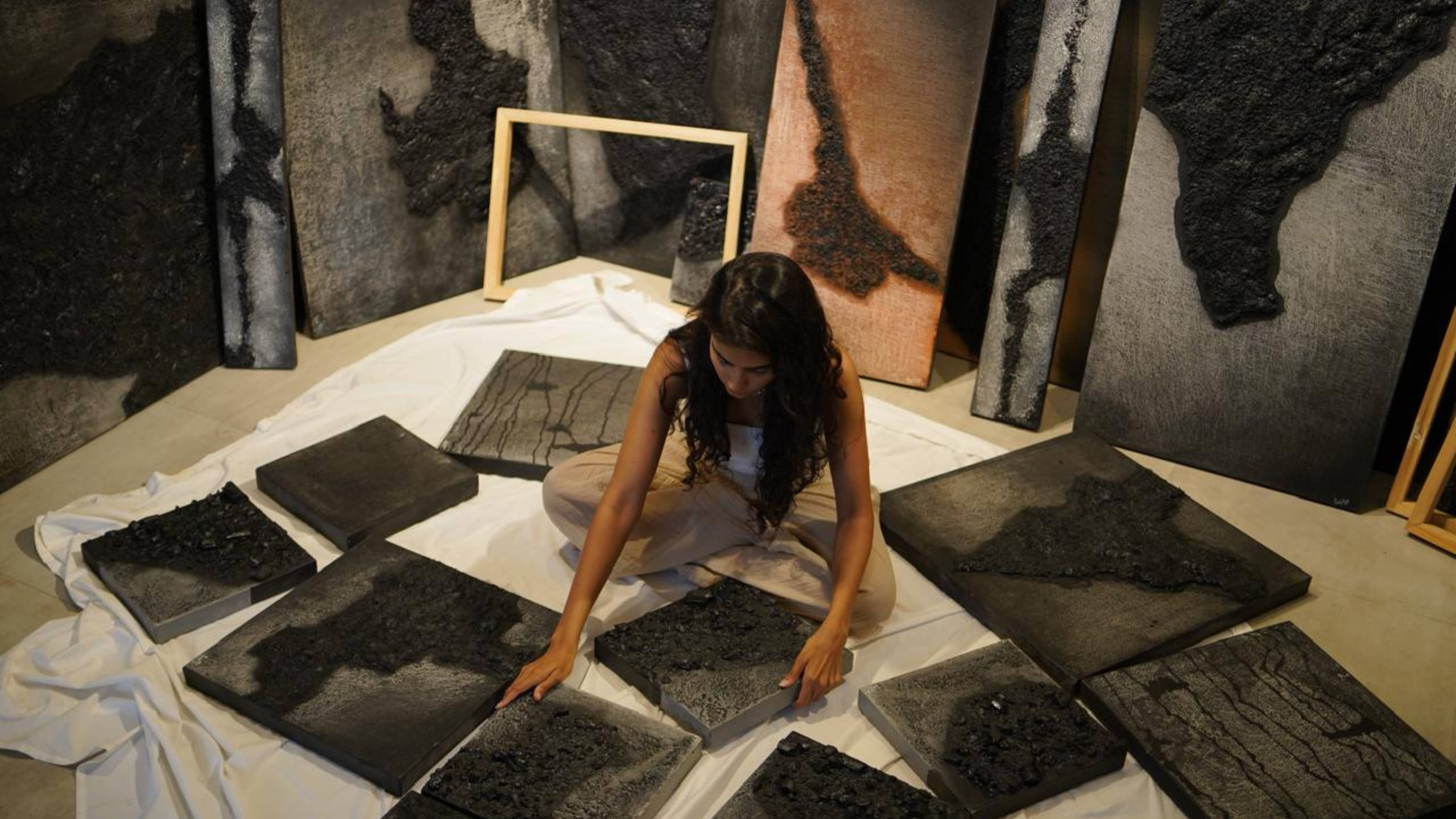
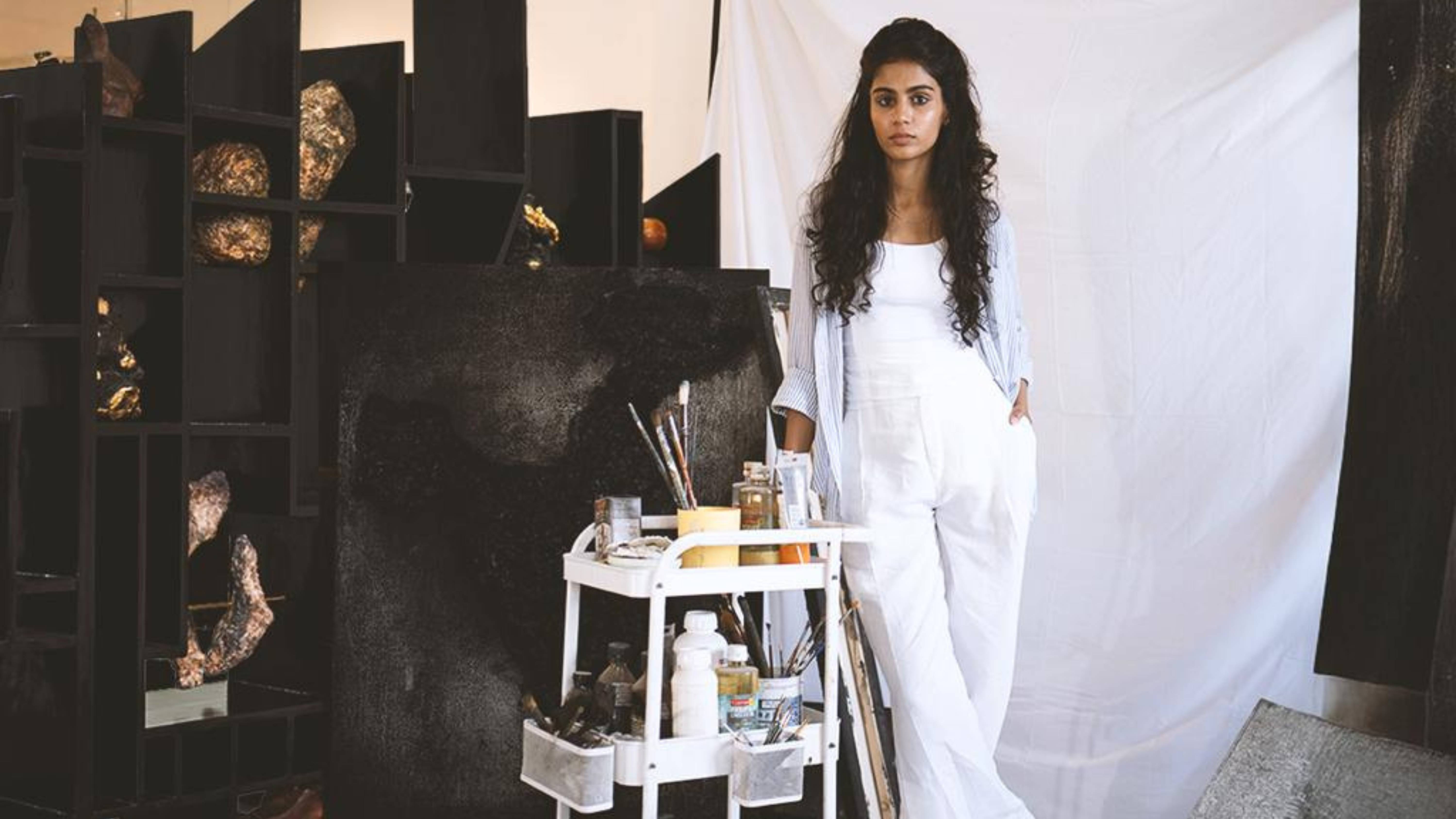
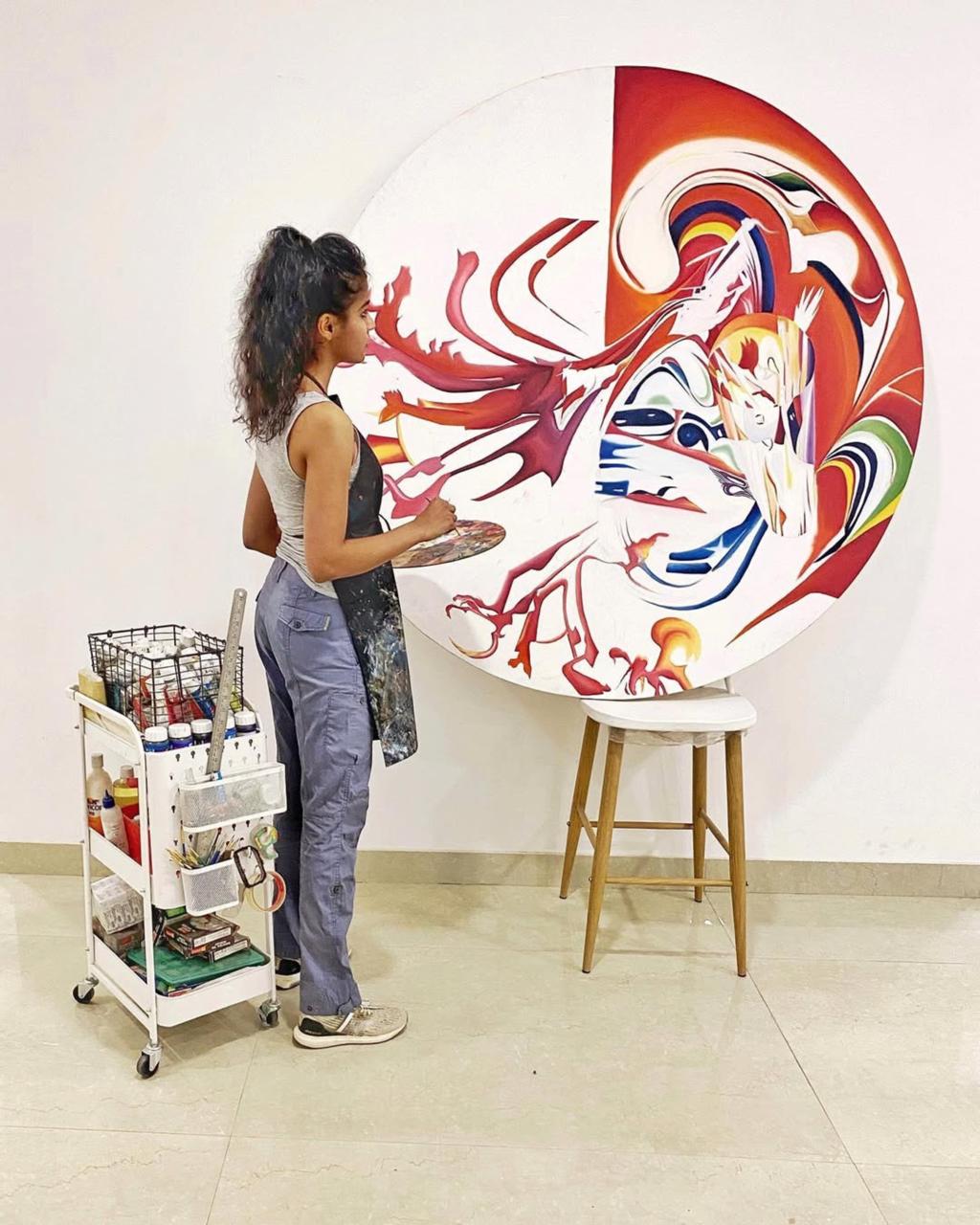
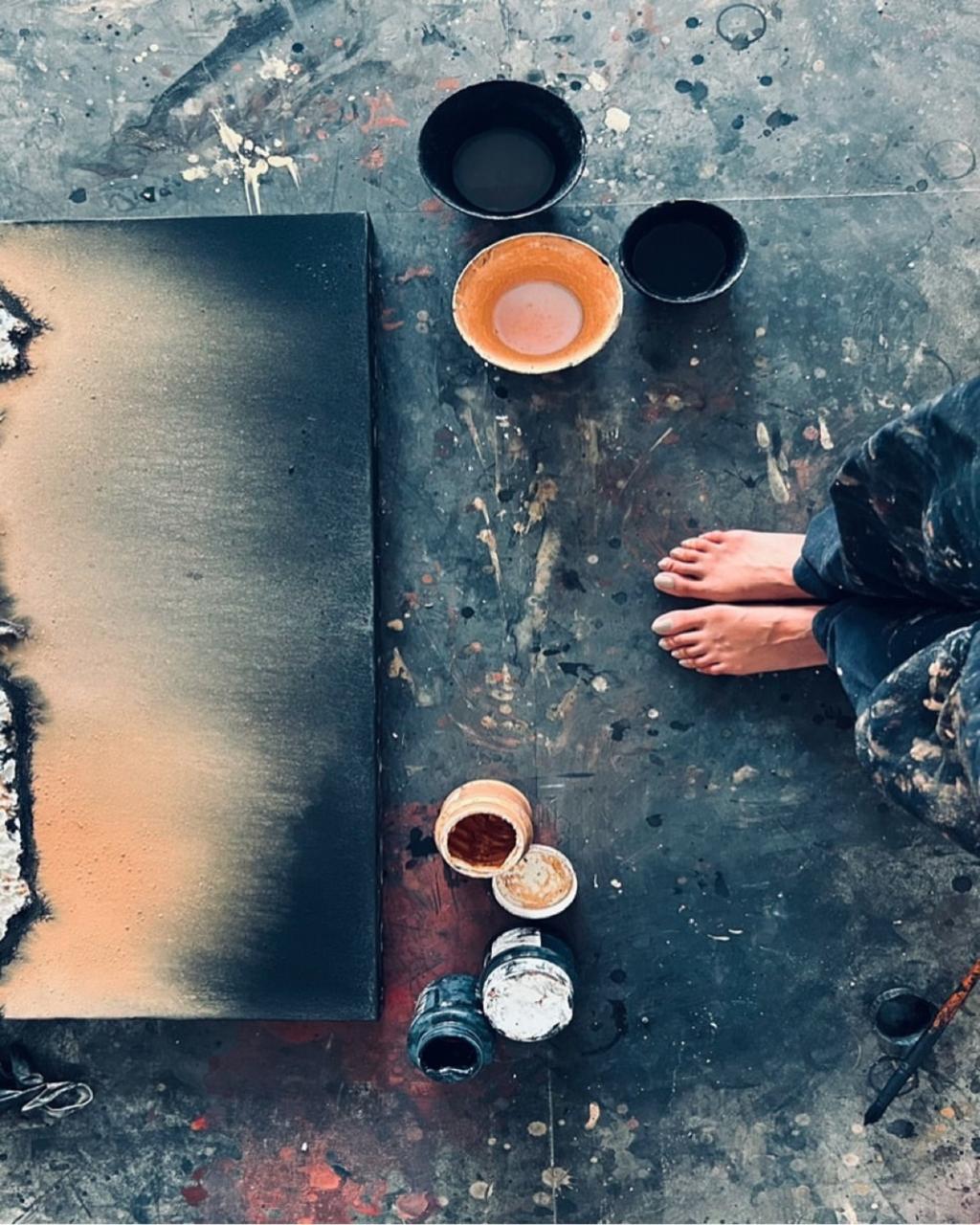
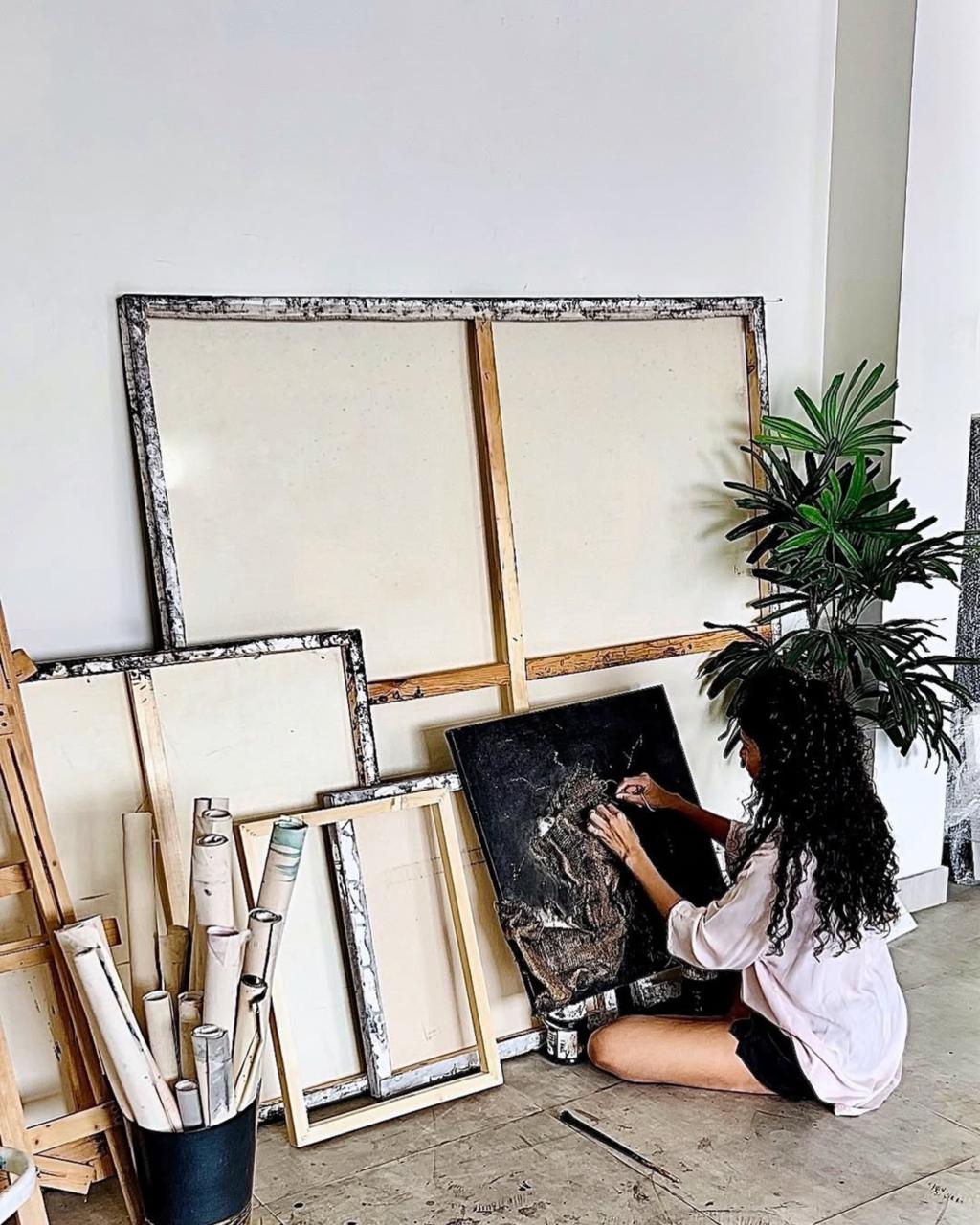
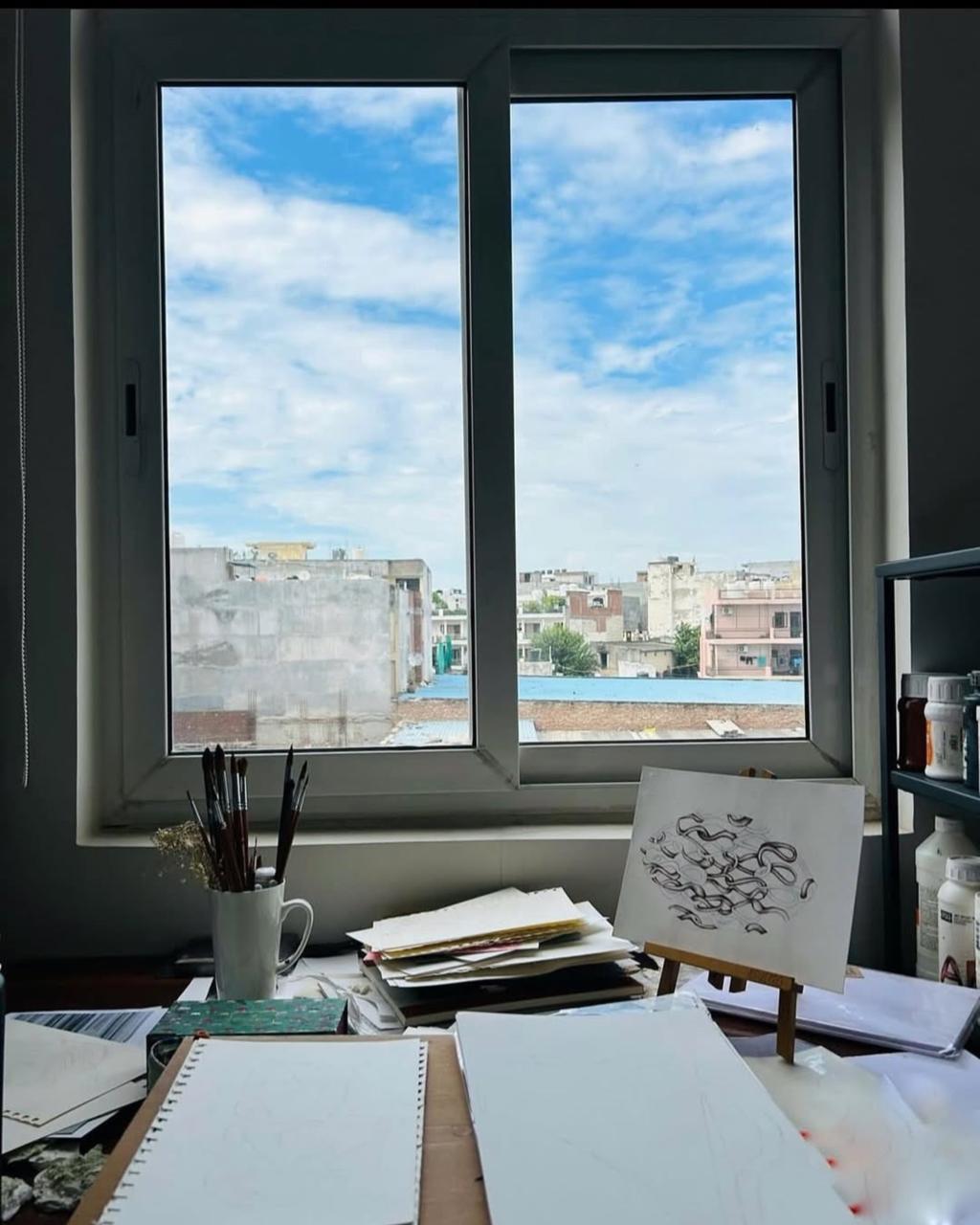
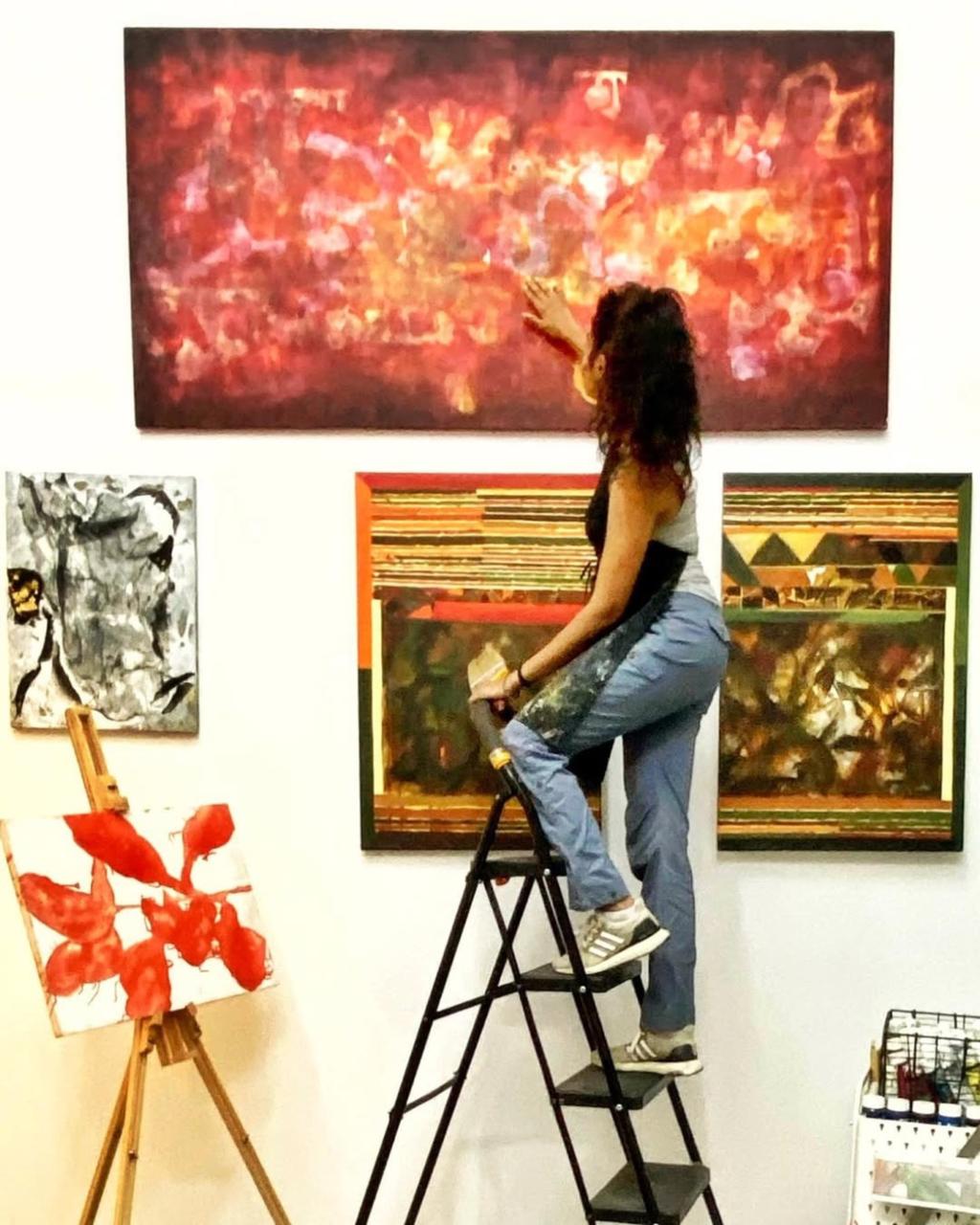
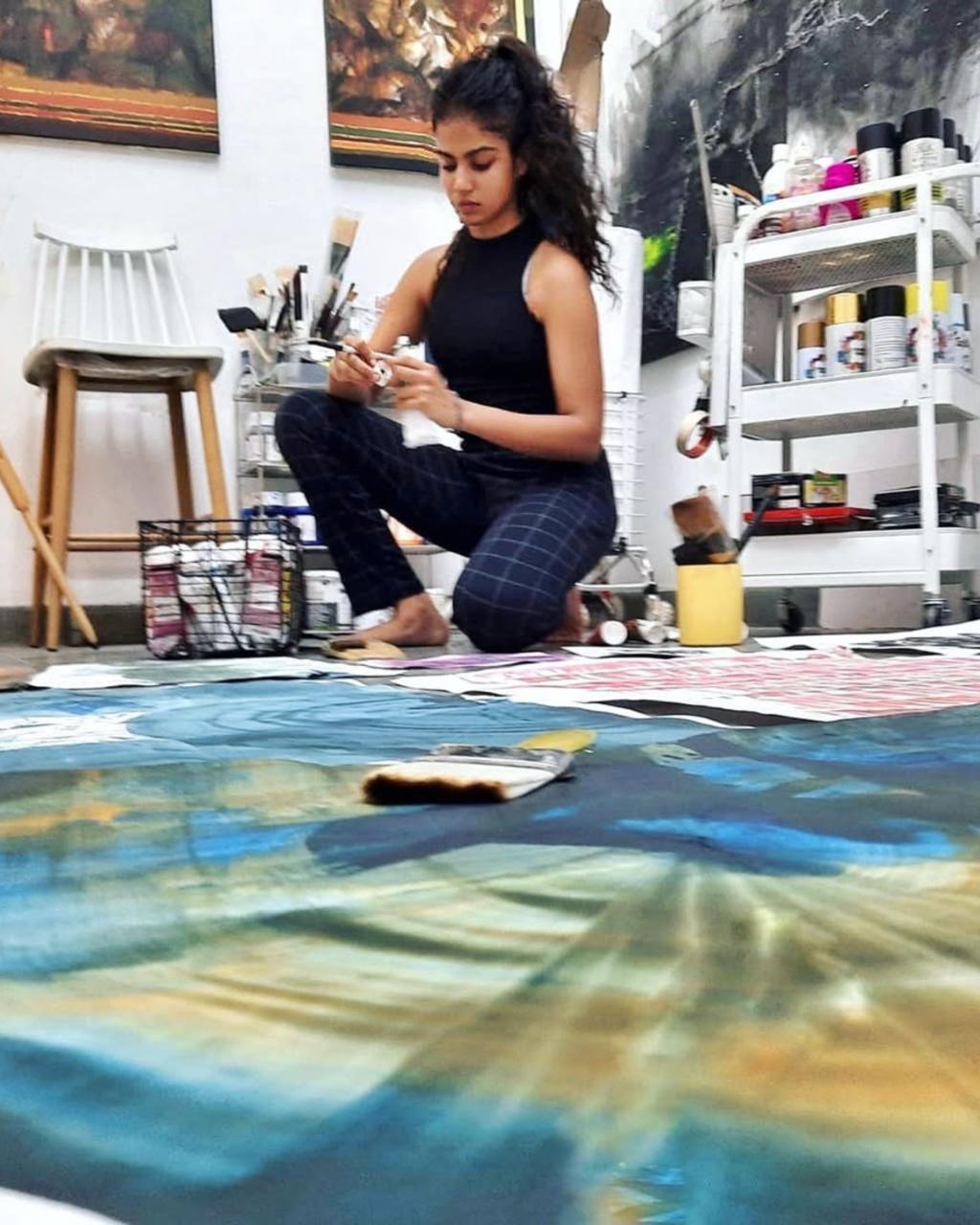
There's something quietly defiant about an artist who refuses to settle. Palak sits at
her workspace, materials scattered around her, in the deliberate disorder of someone
mid-process.
She's not sketching a finished vision. She's not chasing a deadline with panic. Instead,
she's doing what she does best: sitting with uncertainty, allowing questions to simmer,
and trusting that clarity will emerge through the act of making itself.
This is how Palak, a contemporary abstract artist, works. Slowly. Intentionally. With a
patience that feels almost radical in an art world obsessed with speed and visibility.
This enables her practice to engage with minimalism and social constructivism through
mixed media.
The Quiet Architecture of Artistry
Palak didn't grow up knowing she'd become an artist. There was no lightning-bolt moment,
no childhood proclamation that she'd dedicate her life to creative expression. Art was
simply woven into the fabric of her everyday life in the most ordinary way possible.
"As a child, I was constantly doing something with my hands," she recalls. "Sketching, painting, quilling, calligraphy. Whatever caught my interest at the time"
Inside Palak’s Practice
It was just something Palak liked doing, the way some kids lose themselves in books or
building blocks.
Her mother, though not a traditional visual artist, was always making things – from
sewing to baking to candle-making. The house hummed with a kind of casual creativity
that never announced itself as important. "Creativity was just present around me in
everyday life, without pressure or expectations," Palak says.
It's only looking back that she understands: those hours spent with her hands, that
constant return to visual thinking, were actually forming the foundation of how she'd
eventually see and interpret the world.
The Mind as Medium
When Palak went to university, she opted to study psychology. And in many ways, that
decision defined everything that came after, including her indulgence in the abstract
form of art.
Psychology taught her to observe closely, to sit with complexity, and to resist the urge
for easy answers. She became fascinated by how experiences are processed, how memories
are formed and carried, how trauma lodges itself in the body and mind. Beyond abstract
academic interests, they were questions that eventually migrated directly into her
artistic practice.
"Rather than approaching art purely from a technical or aesthetic standpoint, I tend to
begin with questions about perception, memory, trauma, and transformation," she
explains.
Her work embodies these concepts. The focus lingers on in the slow layering of
materials, the physical resistance of texture, and the weight that accumulates through
the process.
Even her technical approach reflects this psychological grounding. She works layer by
layer, allowing materials to respond rather than forcing outcomes. "Psychology didn't
teach me how to make art," she says, "but it shaped how I think, question, and stay
attentive within the making process."
In Praise of Experimentation
Ask Palak when she found her voice as an artist, and she'll resist the premise of the
question. She doesn't think of her artistic voice as something she's discovered or
claimed – more like something she's continuously developing, something that shifts as
she does.
"I wouldn't say I've arrived at a point where I see my voice as complete or fully
settled," she admits. She's learned to trust the questions that guide her work, even
when answers remain elusive.
This might sound like modesty, but it's actually something more interesting: a
deliberate philosophical stance. "Confidence, for me, doesn't come from claiming a
finished identity, but from continuing to work with intention, consistency, and critical
self-awareness."
Experimentation remains fundamental to Palak’s practice. She's constantly testing ideas,
structures, and ways of thinking, allowing uncertainty and even failure to play active
roles in how work develops.
Some approaches stick because they continue to feel relevant. Others get consciously set
aside. What remains isn't a fixed language, but an adaptive one which is open,
responsive, capable of change.
Traversing Digital Landscapes
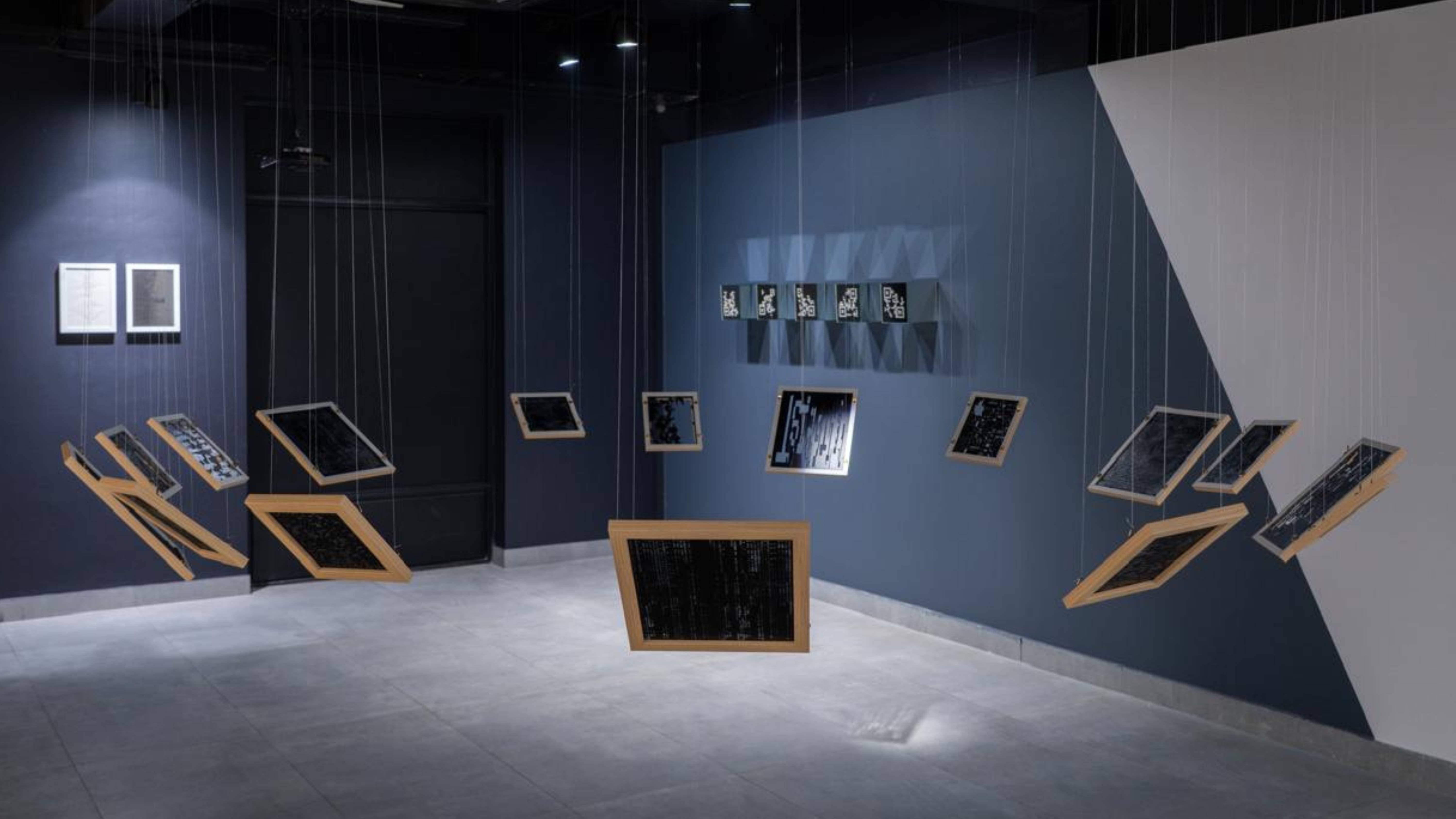
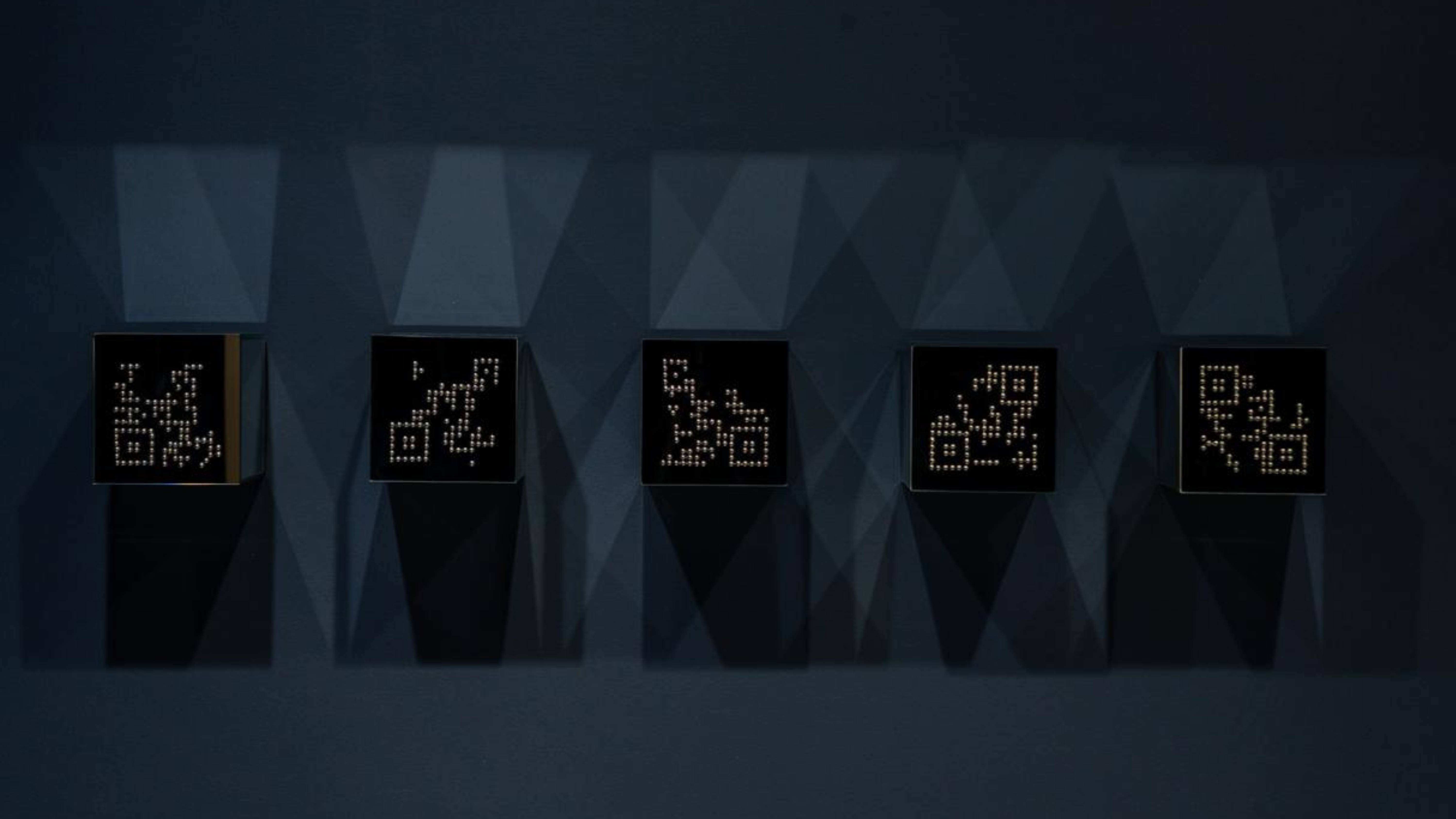
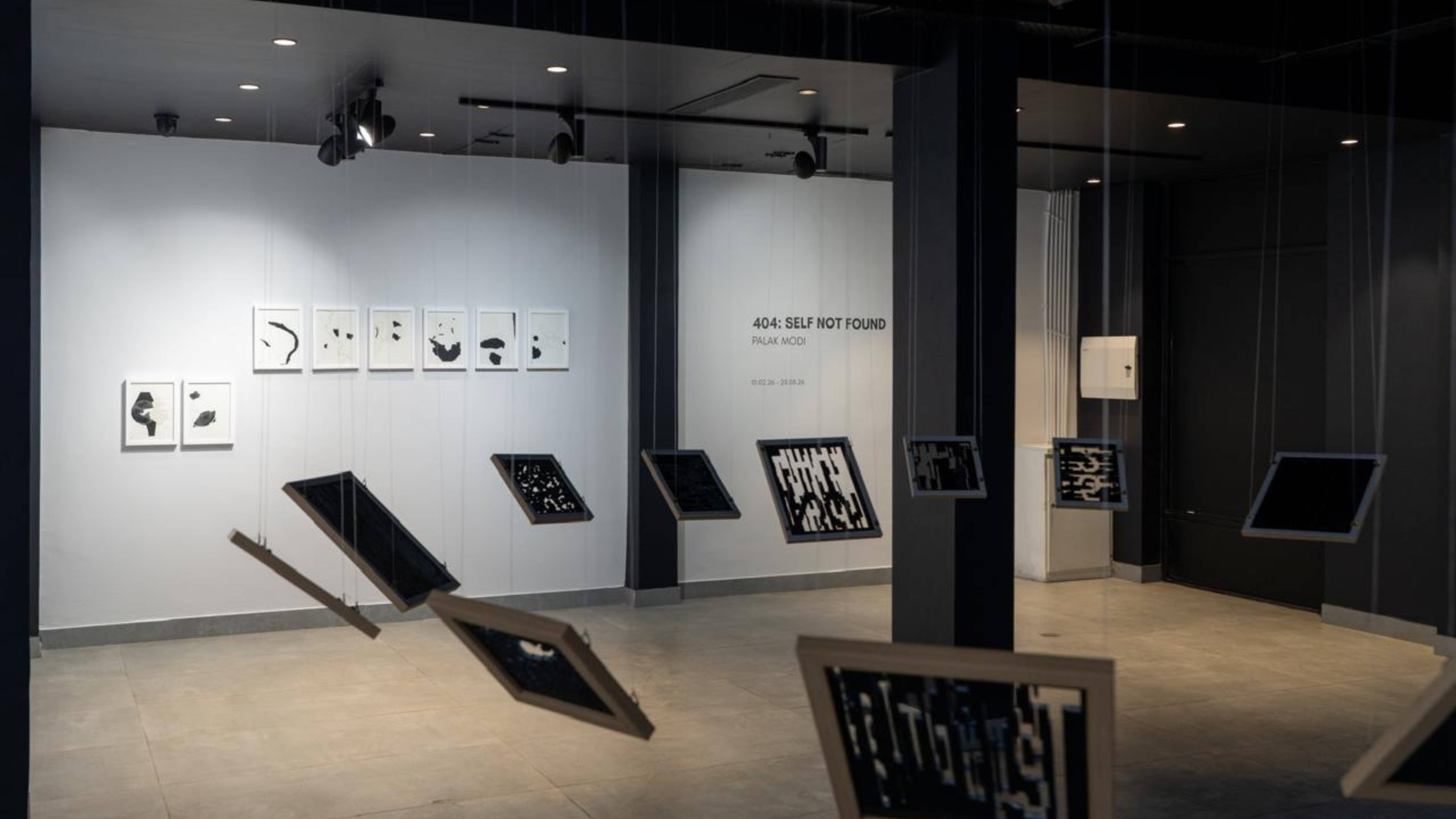
Palak's recent work has taken a sharp turn toward examining something we're all swimming
in but rarely stops to question: how digital systems shape the way we see ourselves and
remember our lives.
"We are constantly absorbing visual information without pausing to question how it
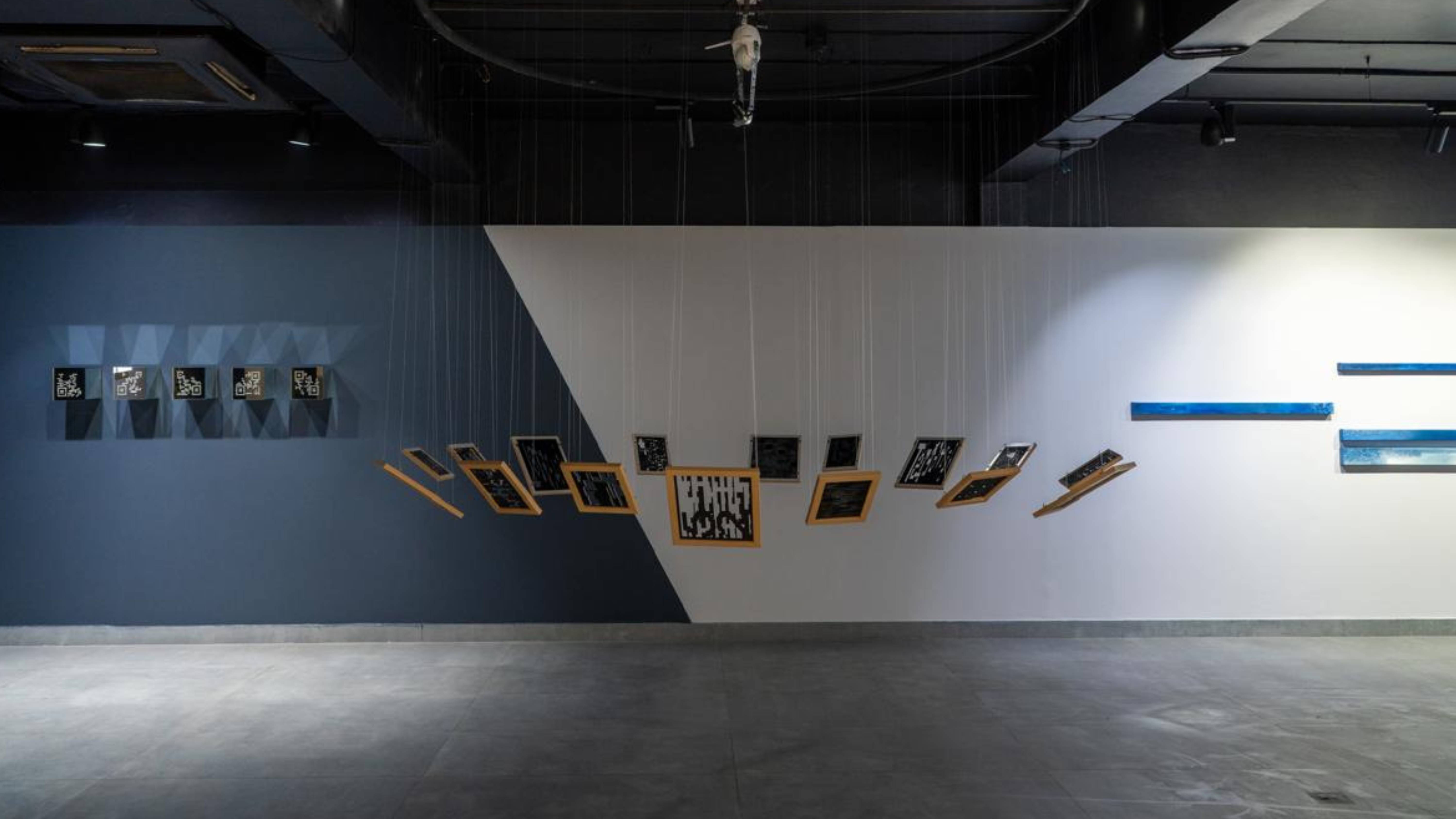
alters us," she says. Her work—including a solo exhibition alongside India Art Fair &
Young Collectors Program called ‘404: SELF NOT FOUND’ showcased at Pulp Society
—attempts to interrupt that ease. To create friction where there's usually only smooth
consumption.
"Palak investigates how images no longer simply document experience but actively participate in constructing memory, identity, and self-perception within digitally mediated systems"
Inside Palak’s PracticeIn an age of cognitive offloading, where memory and attention are increasingly outsourced
to devices, the image becomes more than representation—it becomes infrastructure. Once
absorbed into a digital network, its meaning destabilizes: it can be endlessly
replicated, altered, fragmented, and detached from its origin. This instability mirrors
the “glitch” of the contemporary mind—where coherence falters under digital overload.
“Within this system, we are not passive viewers. We are participants—unknowingly
contributing to cycles that shape how we remember, how we see ourselves, and how we
measure our worth. Images feed algorithmic structures that reduce lived complexity into
consumable data, encouraging us to perceive ourselves through filtered, multiplied, and
externally validated identities. In this way, the digital image becomes both a site of
construction and erosion—reshaping selfhood while subtly limiting autonomy.”
"I hope the work unsettles the way viewers are used to seeing and consuming images," she
says. Not through shock, but through awareness. Through the uncomfortable realization
that we're less in control of our own perception than we think.
This isn't about making work that's pretty or comforting. It's about making art that
functions—that creates the conditions for genuine thinking rather than passive viewing.
Doubt, Deliberately
Palak has learned something crucial about creative blocks: they're not obstacles to be
overcome as quickly as possible. They're signals that something needs to shift.
"Doubt has been a consistent part of my process, and I've come to see it as productive
rather than limiting," she says. When creative blocks emerge, it usually means she's
relying too heavily on familiar methods, on visual habits that have become comfortable.
The block forces disruption.
Over time, she's developed patience with these moments. Instead of pushing through
uncertainty, she sits with it. She lets it reshape her thinking. "My work has become
more rigorous because of these pauses rather than in spite of them."
This approach requires something that feels increasingly rare: the willingness to slow
down in a world that constantly demands speed. "When things feel rushed or externally
driven, I slow the process down and return to the core questions I'm working through,”
she explains.
Creative nourishment, for her, comes from continuity.
The Poetry of Algorithms
Looking ahead, Palak sees her practice expanding rather than pivoting. She's
increasingly curious about algorithmic structures, about how repetition and
fragmentation shape not just what we see, but how we internalise ourselves over time.
Technology isn't something she's adopting for novelty. It's become necessary to the
questions she's asking. "As digital systems increasingly mediate perception and
behaviour, working across digital and physical mediums feels inevitable," she says.
She wants to create works that exist across multiple states —digital, material, spatial—
allowing each medium to inform the other.
What drives her isn't recognition or visibility, though those have their place. It's the
ability to sustain a practice that remains intellectually rigorous, emotionally honest,
and responsive to the world around her. "A fulfilling artistic life, for me, is defined
by continuity and depth rather than visibility alone,” she states.
The anti-hustle manifesto: Palak’s Perspective
When Palak thinks about what she'd tell artists still searching for confidence and
clarity, she offers:
- Permission to take your time: "I think it's important to spend time building clarity
before chasing outcomes.”
- Willingness sits with uncertainty: "Pay attention to what you keep returning to, even
when no one is watching.” Because confusion often signals that something meaningful is
forming.
- Don't rush your practice into a fixed identity: Let it stay open and responsive.
“Develop a way of working that you can sustain over time, not just one that looks
convincing in the short term.”
In a world that constantly pushes artists into binary boxes, Palak's approach is rooted
in choosing depth over speed, and the messy reality of continuous development over the
false comfort of arrival.
And she's doing it by showing up, day after day, with her hands in her materials and her
mind on questions that don't resolve easily, with trust in the experience that the work
itself will lead the way.