
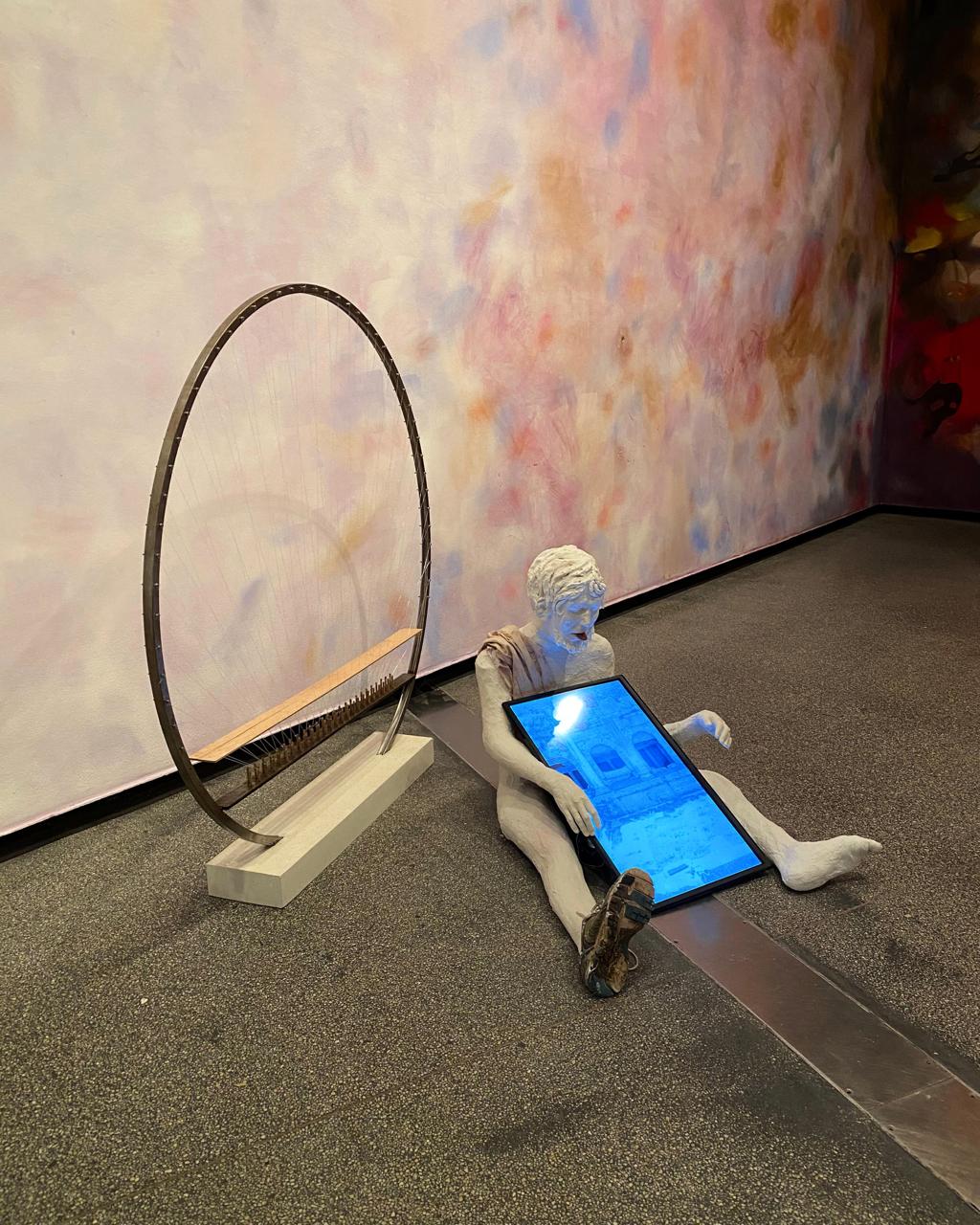
In a bustling souk in Egypt, amid the chaos of vendors selling everything from aromatic
spices to gilded ornaments, a young girl stood transfixed. Her mother had just picked up
an 11-inch enameled mosque lamp, its gold motifs and blue inscriptions catching the
light like whispered secrets from another era. In that moment, surrounded by the maximal
wonderland that felt straight out of Alladin’s Agrabah, Shristi experienced what she
would later describe as a revelation: "Knowing beauty was more a realisation of feeling
than assigning terminology."
That epiphany in 2016 was just one of many that would shape Shristi’s unconventional
path from a doodle-filled math student to one among India’s most promising independent
art curators. Now, as she gears up to lead the inaugural Ahmedabad Cultural Week (From
October 3-12 this year) as Curatorial Director, her story serves as a testament to the
power of following one's artistic instincts, even while the destination unfolds along
the journey.
A Childhood of Cultural Immersion
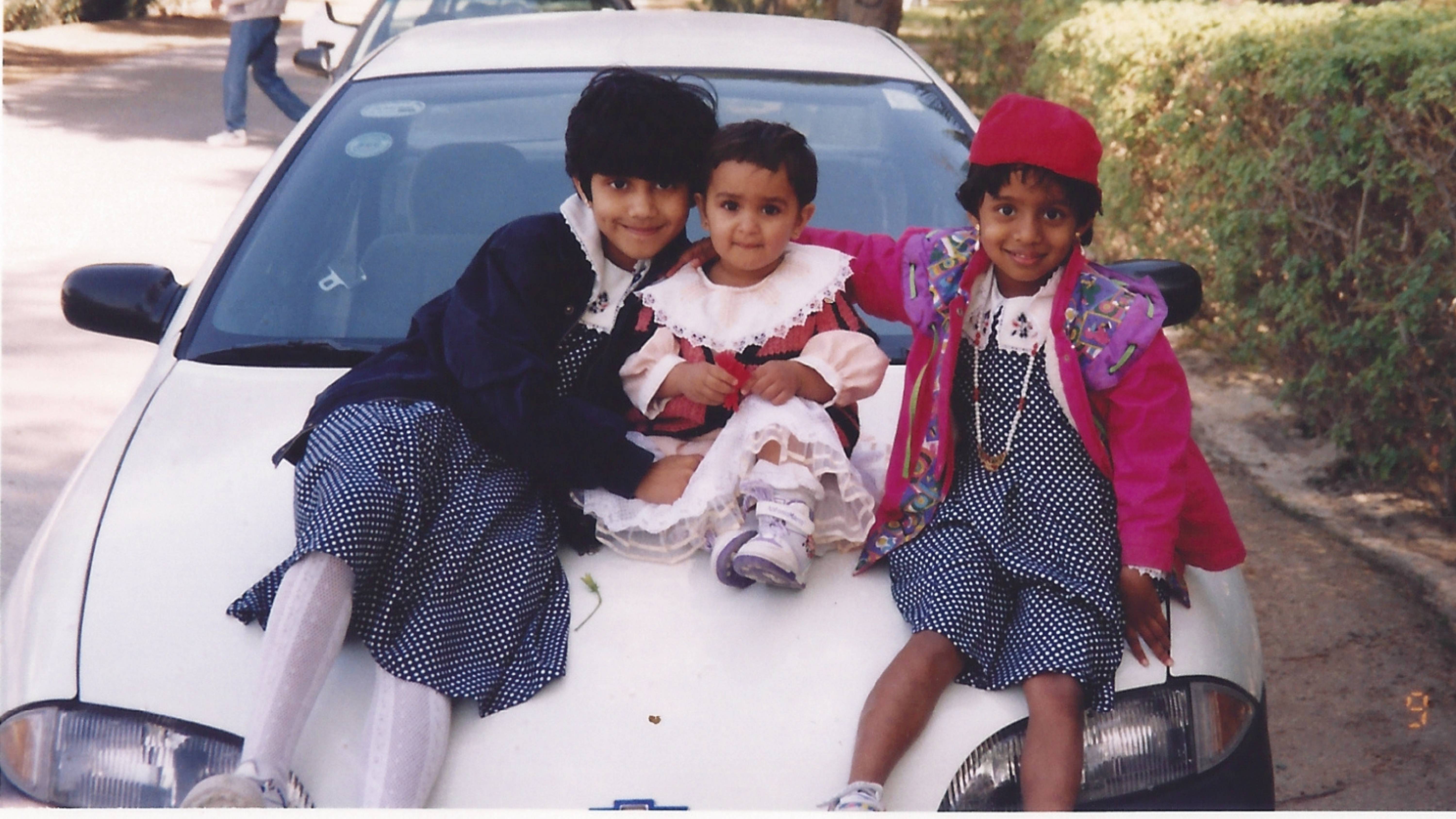
Born in Saudi Arabia and raised in Nigeria for the next decade and a half due to her
father's line of work, Shristi's early years were defined by constant movement and
cultural discovery. Her parents, young adventurers at heart, didn't just travel — they
explored with purpose, seeking to understand cuisine, landscapes, cultures, and social
systems wherever they went.
"My mother on these trips would collect strange and unique eclectics just before we were on our way back," Shristi recalls. "They were usually objects that told stories of origin or rarity, held history or myth."
Explore Shristi Sainani’s Work
It was her mother who first introduced her to the concept of beauty, and their travels
became her initial gateway into the world of art. These formative experiences created a
young woman who understood, instinctively, that art wasn't solely confined to galleries
or textbooks—it lived in markets, in everyday objects, in the stories that cultures tell
about themselves through their material expressions.
Cut to her time in classrooms, Shristi was the quiet girl in math class. But her
notebooks told a different story. While one sheet would be etched with algebraic numbers
and symbols, the opposite page bloomed with doodles of networks, flora, brutes, and
labyrinths. Friends, peers, and mentors consistently recognised her as a creative force,
someone whose mind naturally gravitated toward aesthetic exploration.
This artistic inclination wasn't just a hobby. It shaped up as a calling that would
eventually lead her to architecture school, where she found herself perfectly positioned
"in between conversations of science and technicalities alongside the sphere of
fantastical imagination."
The Architecture of Knowledge
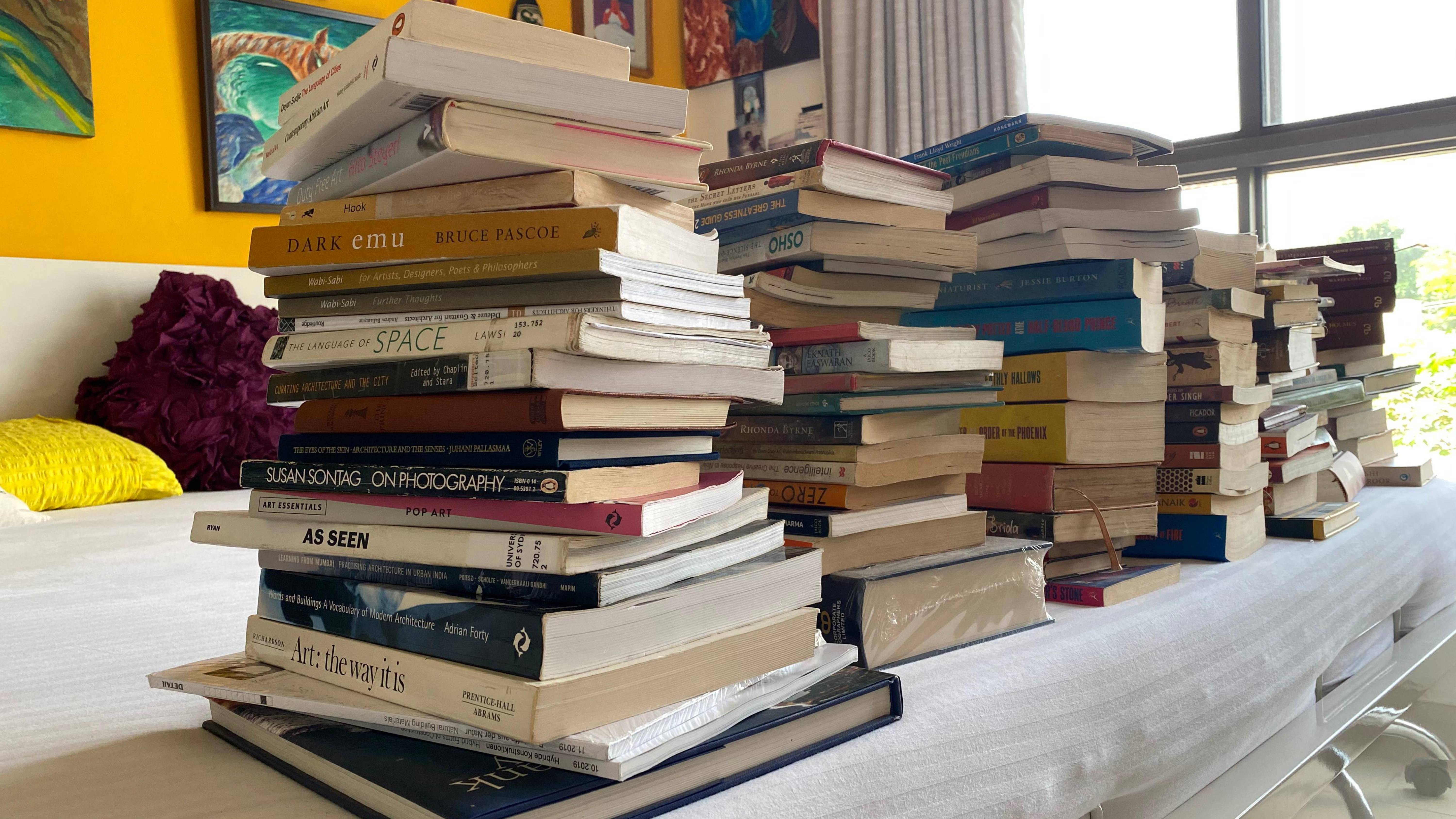
At architecture school, Shristi honed her skills under a licensed architect and
discovered a second home in the university library spending countless hours absorbing
books on art and architecture, falling increasingly in love with theory. The works and
philosophies of Bauhaus, the genius of Zaha Hadid, Frank Gehry, David Adjaye, and Tadao
Ando, as well as the Neue Sachlichkeit—an artistic movement that emerged in Germany—all
became part of her expanding intellectual universe.
But as her knowledge grew, so did her awareness of a significant gap. The archives she
had access to represented primarily Western knowledge and perspectives without ample
space for the rest of the world, especially the South Asian worldview where India holds
a solid voice. This realisation would prove pivotal in shaping her future curatorial
philosophy and approach.
Bridging the Gap: Discovering South Asian Masters
The gap in representation led Shristi on a personal mission during brief visits home.
She began visiting art galleries and hunting down the few digital catalogs and
publications available on South Asian art. Through this self-directed research, she
discovered the modern masters: Tyeb Mehta, Jehangir Sabavala, Ram Kumar, and Mrinalini
Mukherjee.
But it was the work of Zarina that truly captivated her. "I recall spending hours
looking at works and images, reading about her artistic journey and practice," she
remembers. This deep engagement with art proved to be transformative—it inspired Shristi
to write three volumes of poetry.
This period marked a crucial evolution in Shristi's mindset. She wasn't just consuming
art anymore; she was creating it, interpreting it, and beginning to understand her role
as a bridge between different cultural narratives.
The Pivotal Conversation: A Mentor's Encouragement
As architecture school neared its end, Shristi faced a crossroads. Should she continue
with the practical path of sustainable architecture for her master's degree or follow
her growing passion for curatorship? The answer came from an unlikely source: Professor
Michael Tawa, her history of architecture instructor.
Picture the scene: a tall, lean, eloquent man in a black winter coat, making his way out
of the lecture hall after the final class. Shristi, gathering her courage, ran down the
stairs to catch him, requesting just a few minutes of his time. In that brief
conversation, she laid out everything from her reading, discoveries, her growing love
for curatorial work, to her practical consideration of pursuing sustainable architecture
instead.
Professor Tawa's response was simple but revolutionary: if there is passion, it must be
pursued relentlessly. "Now that I think back, it was a huge gamble considering I didn't
know what my whereabouts would be in the coming years," Shristi reflects. "But it was
his encouragement that led me to move to Melbourne and chase the dream."
Melbourne: Where Dreams Took Off
Professor Tawa's encouragement wasn't just moral support—it was the catalyst for a
life-changing move to Melbourne. As a formally trained architect, she decided to pursue
Master’s in Curatorial Studies from the University of Melbourne.
There, Shristi found herself under the mentorship of Catherine Asquith, a
Melbourne-based art advisor who gave her first curatorial position. This mentorship
proved to be another turning point in her journey.
"All credit to my mentors, from Prof. Michael Tawa to Catherine Asquith," Shristi
acknowledges. "It is really because of the guides that I had on my way that I could pave
my career the way it is currently."
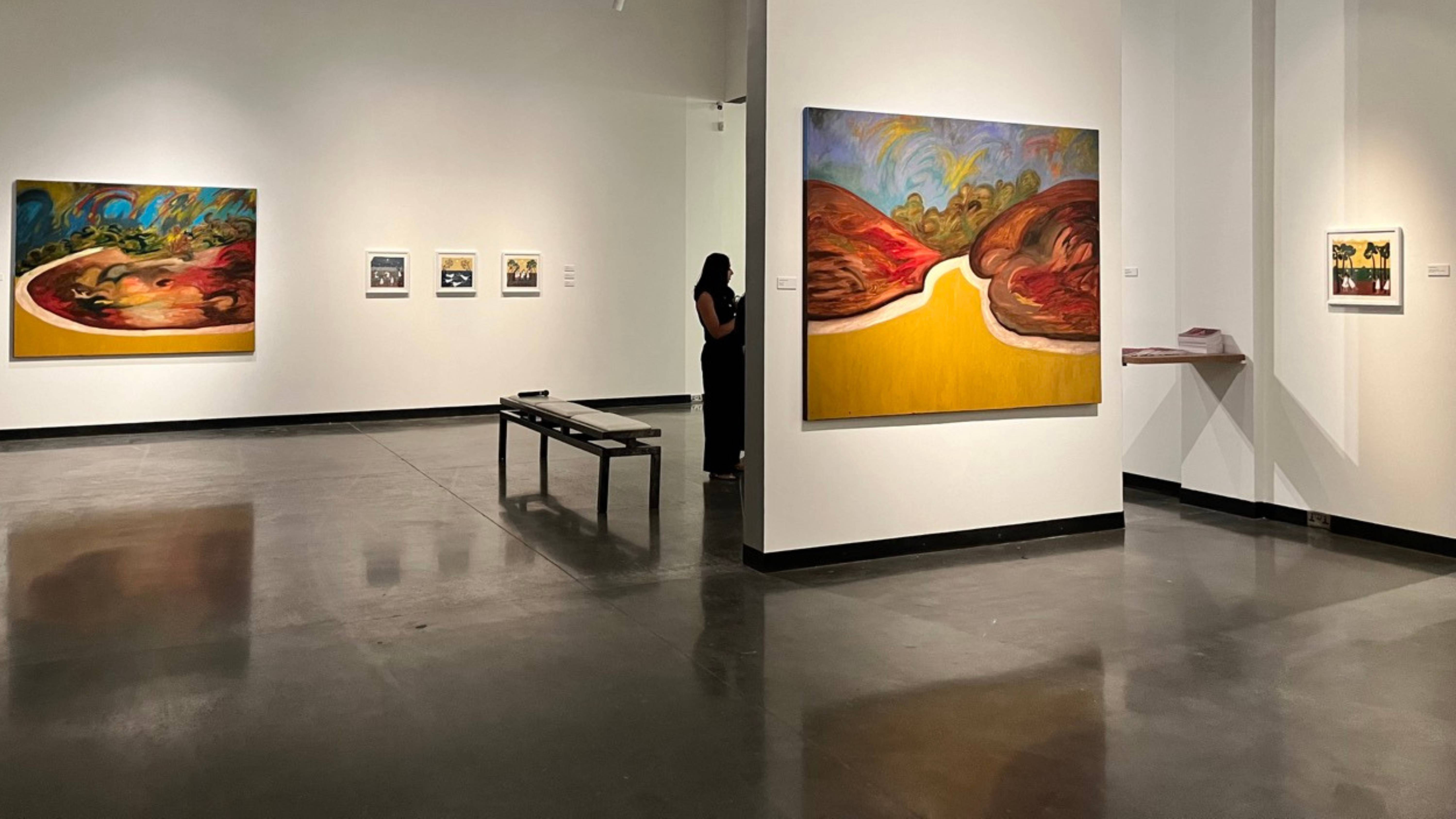
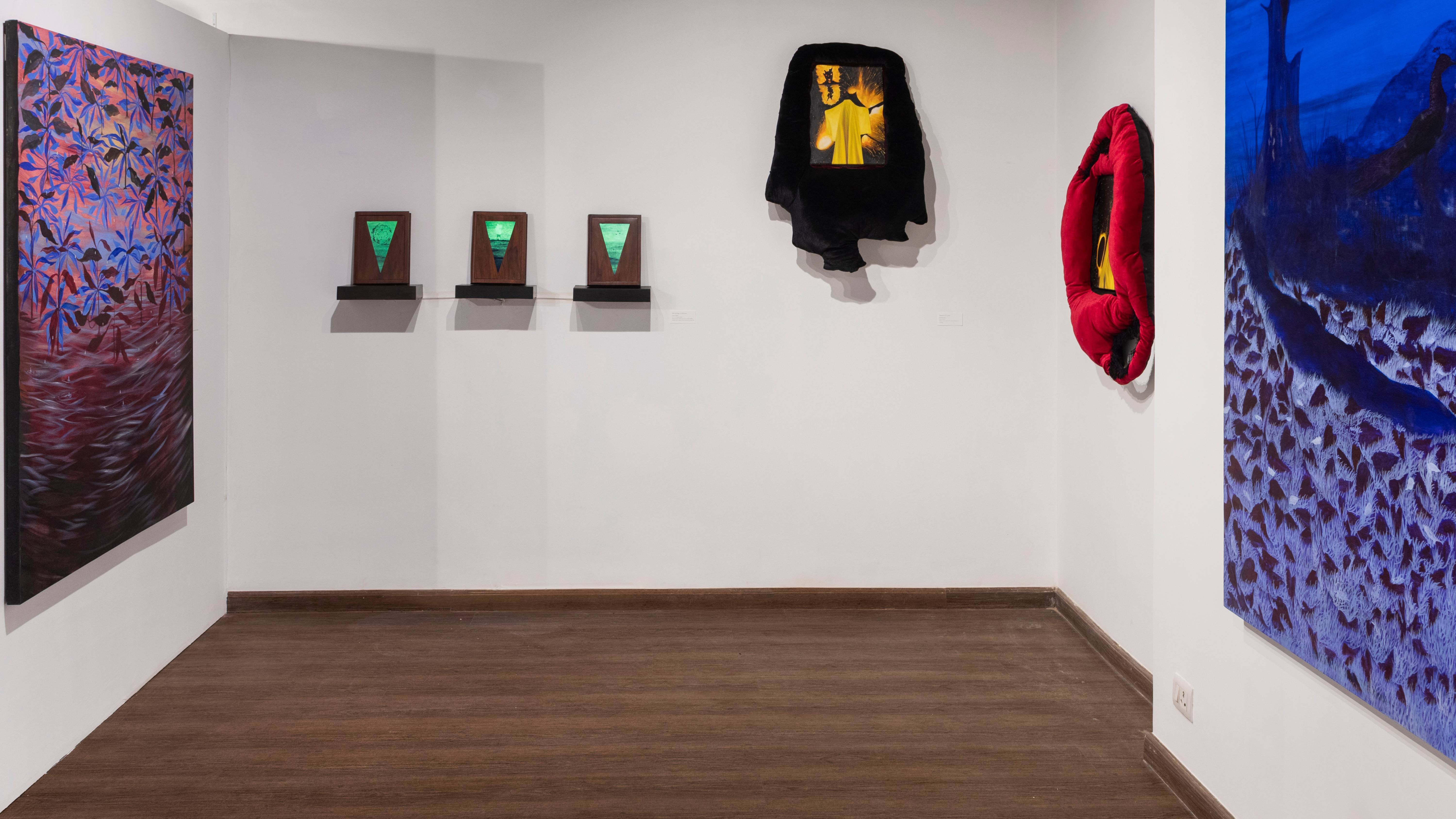
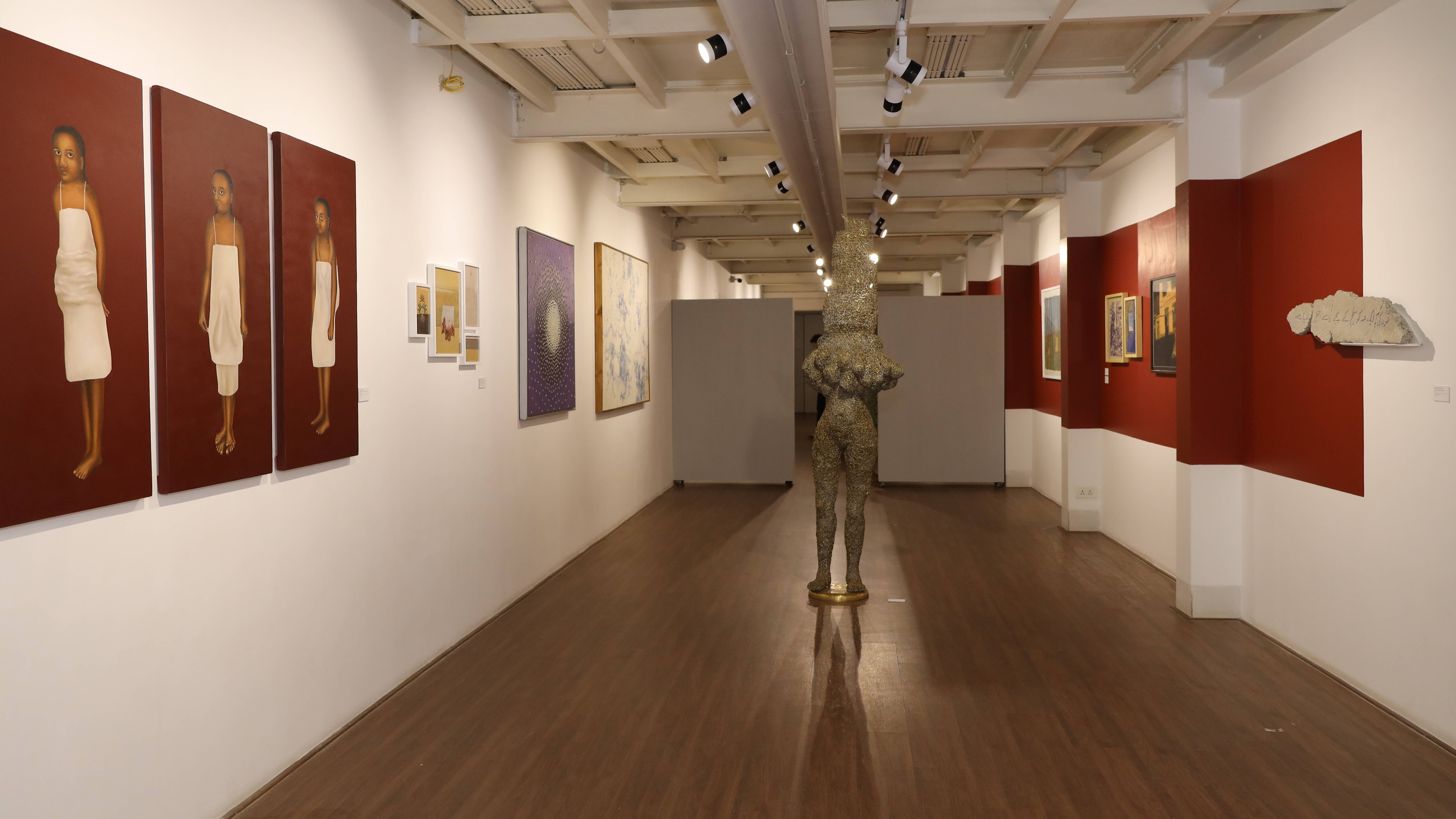
A Global Practice: Exhibitions Across Continents
The foundation laid in Melbourne has since blossomed into an international curatorial
practice. Her independent research focuses on collections and architecture of private
art museums, while she is also an active contributor to several art and architectural
forums. In 2021, Shristi's paper on inclusivity in museum spaces won the INSC
Researchers Award.
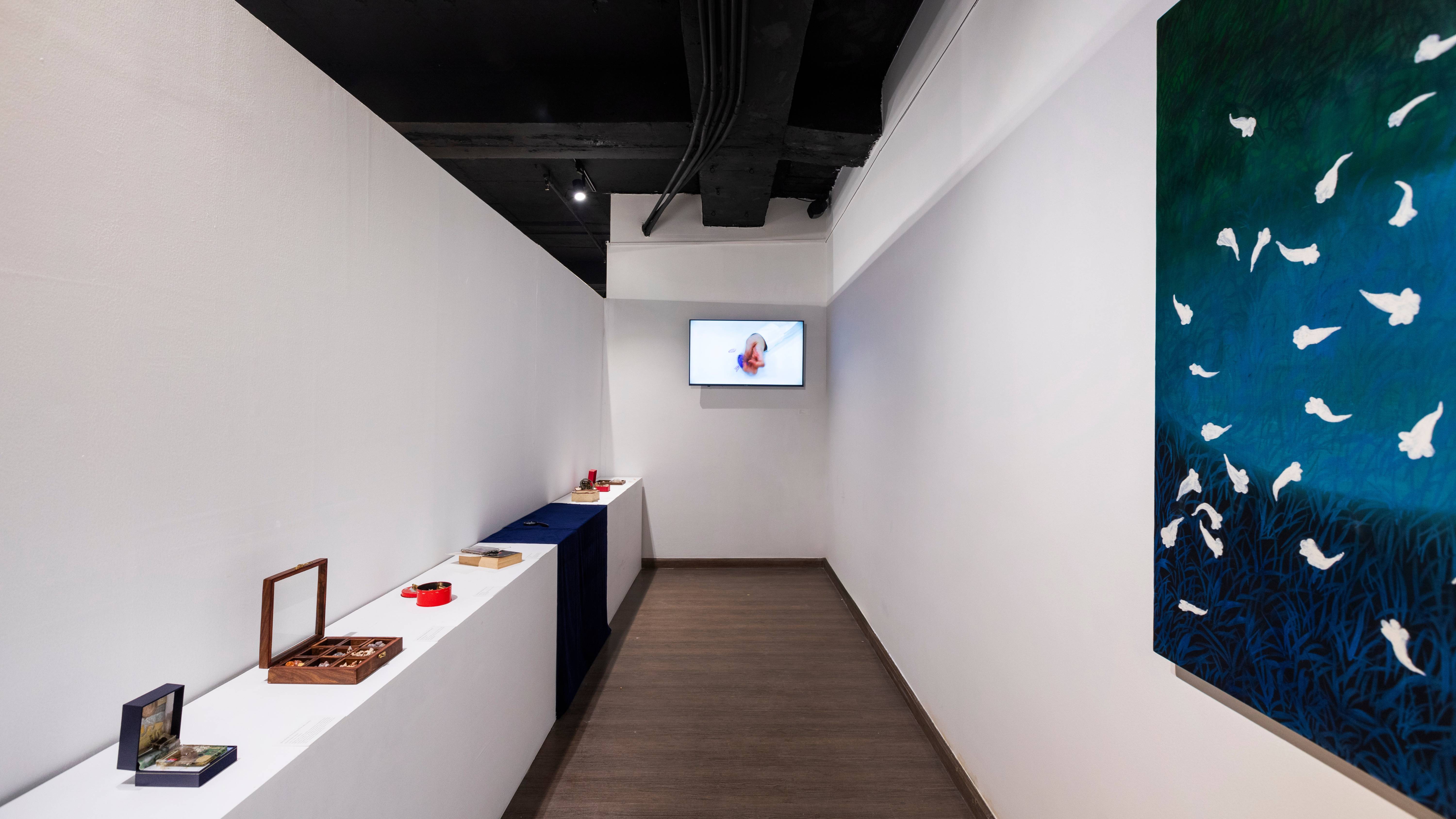
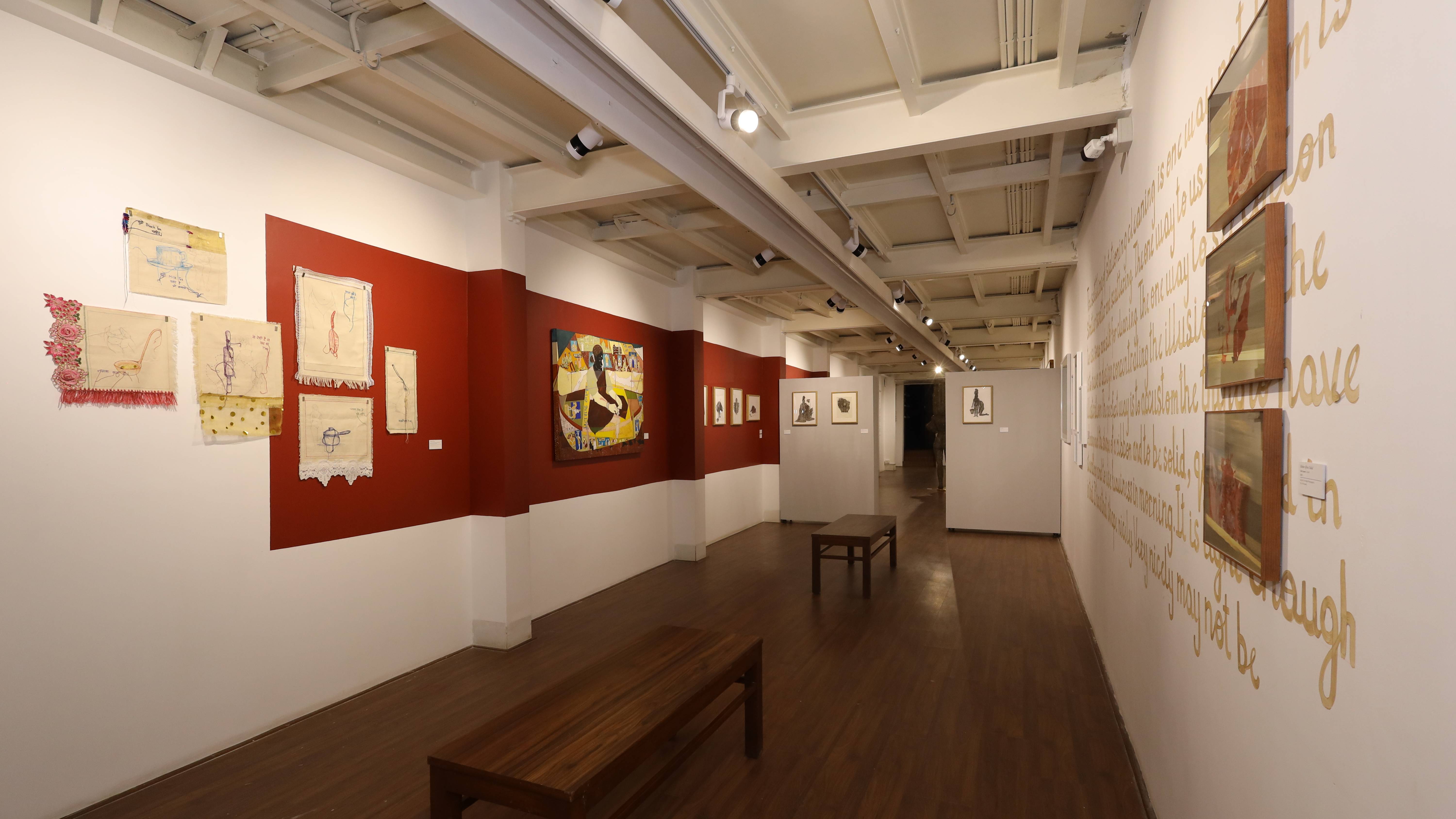
Through her diverse experience of work, Shristi has organised exhibitions in commercial
galleries, public art spaces, museums, and independent organisations across the world.
By virtue of building meaningful connections and opportunities within the community,
each exhibition has, in her words, added to her understanding of how art functions in
different contexts and communities.
Shristi returns to the importance of this community when asked about sustaining
motivation during moments of doubt while exploring such less-trodden career paths. "Over
the years I have realised it is so important to plug yourself into nurturing
environments, and to surround yourself with people who believe in you / the power of
art," she explains.
The Ahmedabad Vision: Cultural Week as Community Building
Now, Shristi stands at the threshold of perhaps her most ambitious project yet: leading
the inaugural Ahmedabad Cultural Week as Curatorial Director. The choice of Ahmedabad is
deliberate and deeply considered. The city boasts a rich history and cultural heritage,
with iconic landmarks like Adalaj Stepwell, Jama Masjid, and the Calico Museum of
Textiles, while preserving exquisite archives of handicrafts and culinary traditions.
"It has also a lineage of patronage with important families that form the cultural
foundation and has witnessed tracks of brilliant minds such as B.V Doshi, Buckminster
Fuller and Le Corbusier," Shristi notes. The city's growing contemporary art scene, with
dynamic programming and outreach, made it the perfect location for this ambitious
cultural initiative.
The inaugural edition features 15 of the city's leading cultural organisations, all
working in synchronization to create what Shristi envisions as a transformative cultural
experience. "It is purely designed for the city of Ahmedabad and its people," she
explains. "The idea is to activate cultural spaces in sync, so the city and its people
have a diverse palette to look forward to every year."
Shristi emphasises how the energy of a project changes dramatically when executed
alongside peers who truly support and trust the vision. But beyond community support,
she advocates for maintaining "a steady faith, to unfurl realities that the world needs
to see."
So the goal then extends beyond mere exhibition—it's about ensuring "contemporary
conversation, pedagogy and interaction within and around the sphere of the arts."
The art world, like any creative field, requires emotional resilience and half-hearted
pursuit rarely yields extraordinary results. And Shristi’s journey is one of complete
surrender in pursuit of finding and holding value of art.
It's a vision that connects directly back to that young woman in the Egyptian souk, who
understood that art's power lies not just in its beauty, but in its ability to create
community and conversation led by curiosity.
Words of Wisdom For The Next Generation begin with the importance of finding guides — mentors who can illuminate the path, no matter what your goals may be. Shristi insists on the timeless mantra of “study, study, study,” a reminder to never stop learning and growing. She also urges curating a circle of friendships brimming with care, courage, and character, for the people around you shape who you become. Above all, she believes in the quiet strength of faith — the conviction that sometimes the most vital ingredient is simply believing in the value of what you are doing
Explore Shristi Sainani’s Work