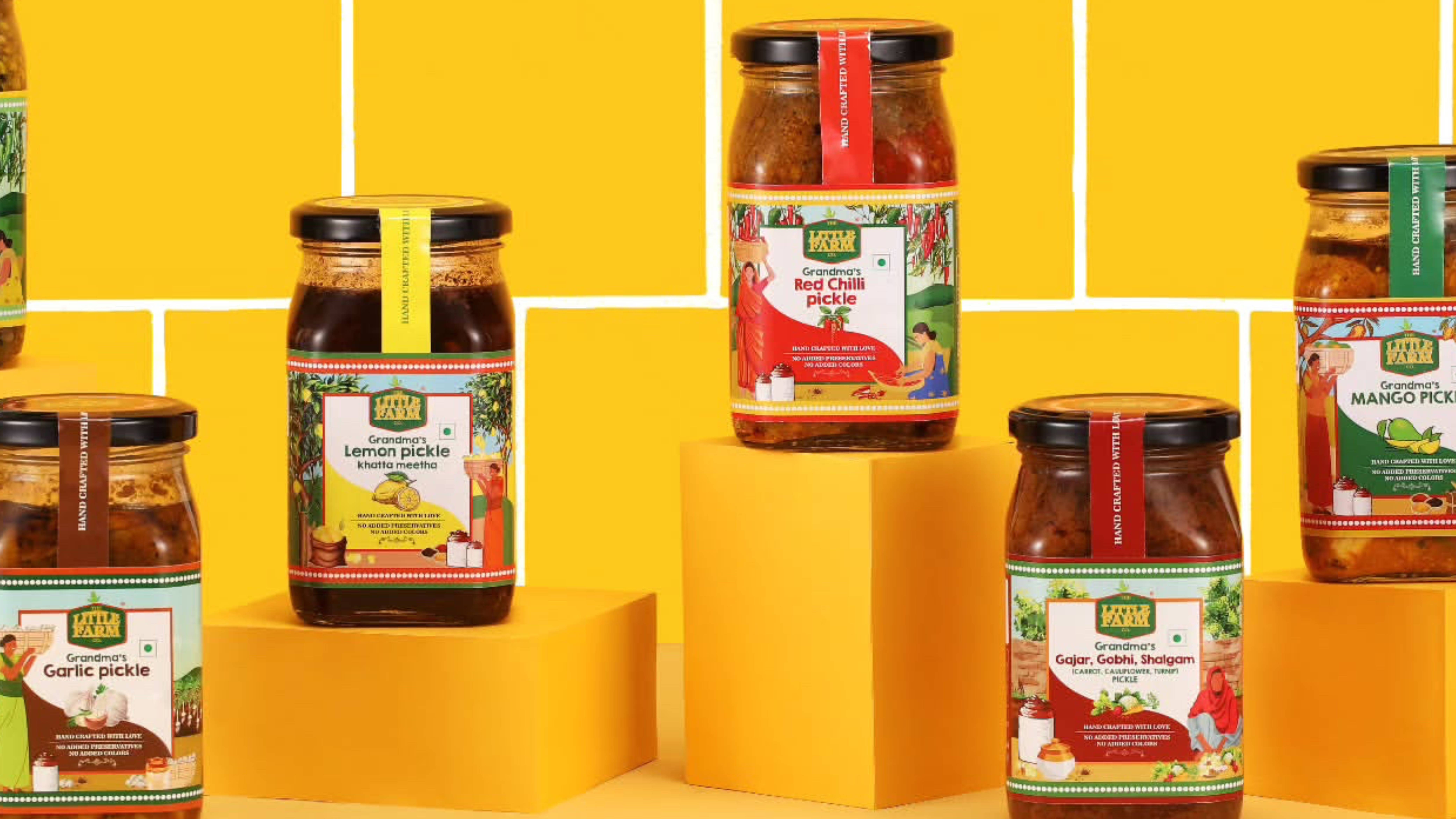
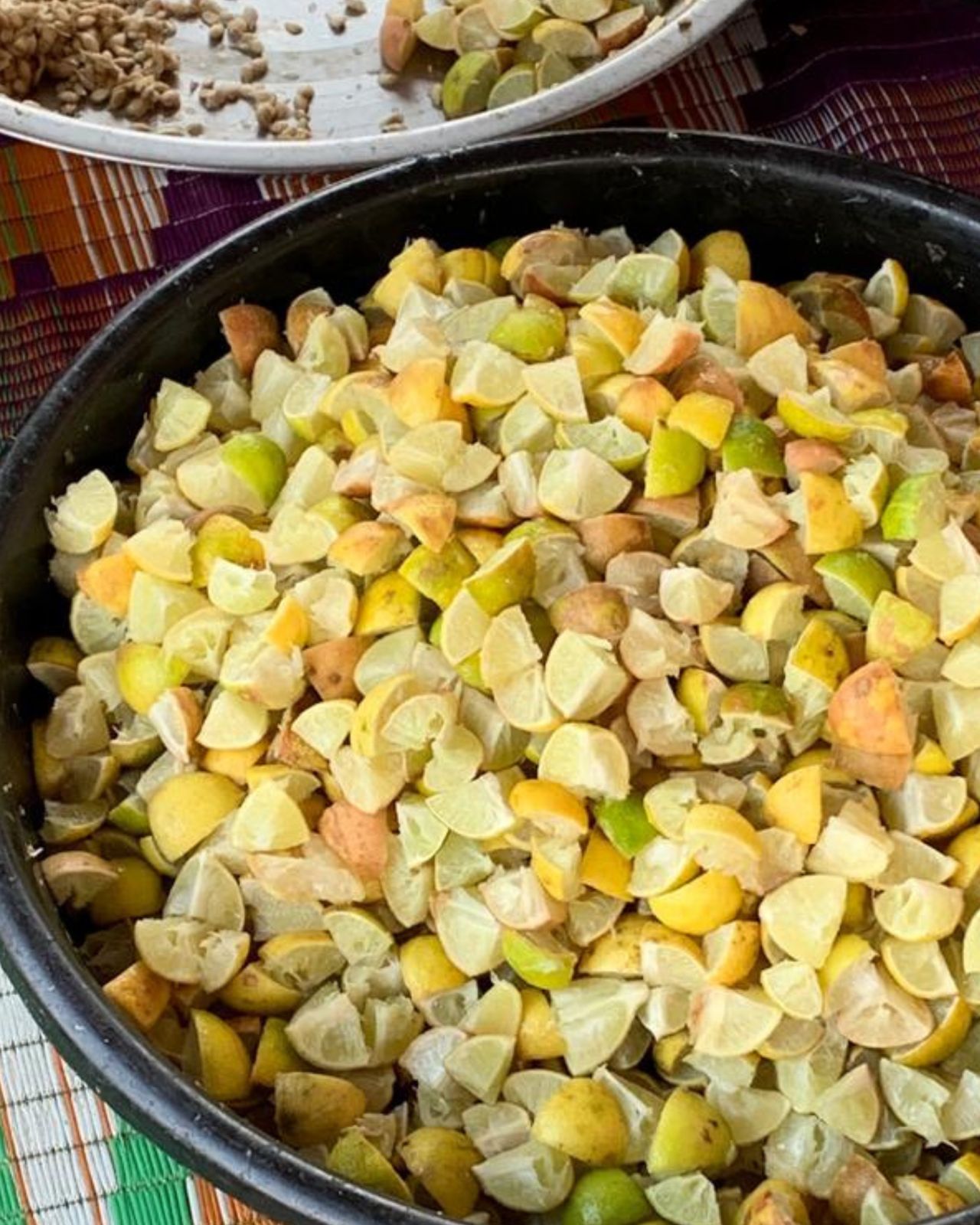
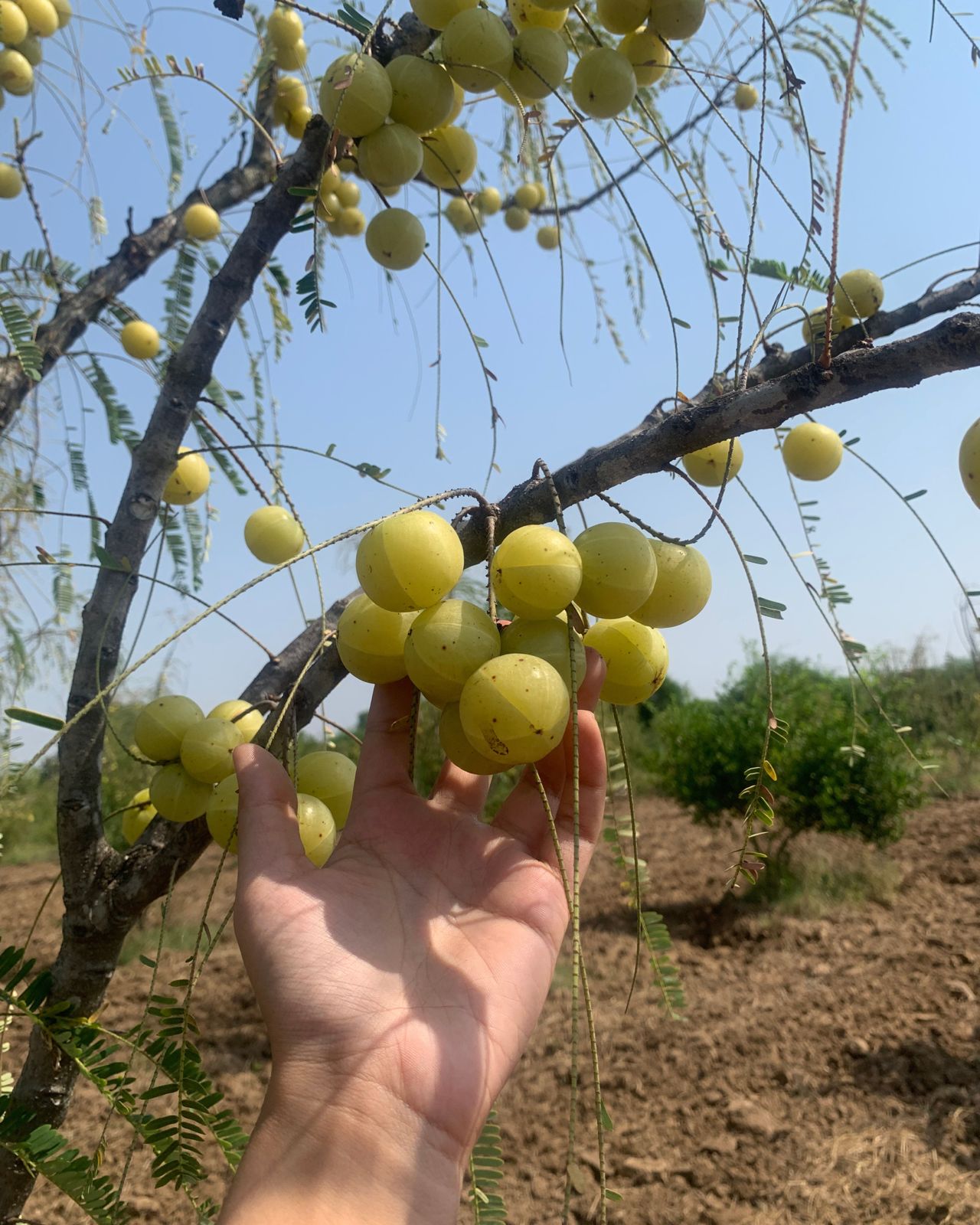
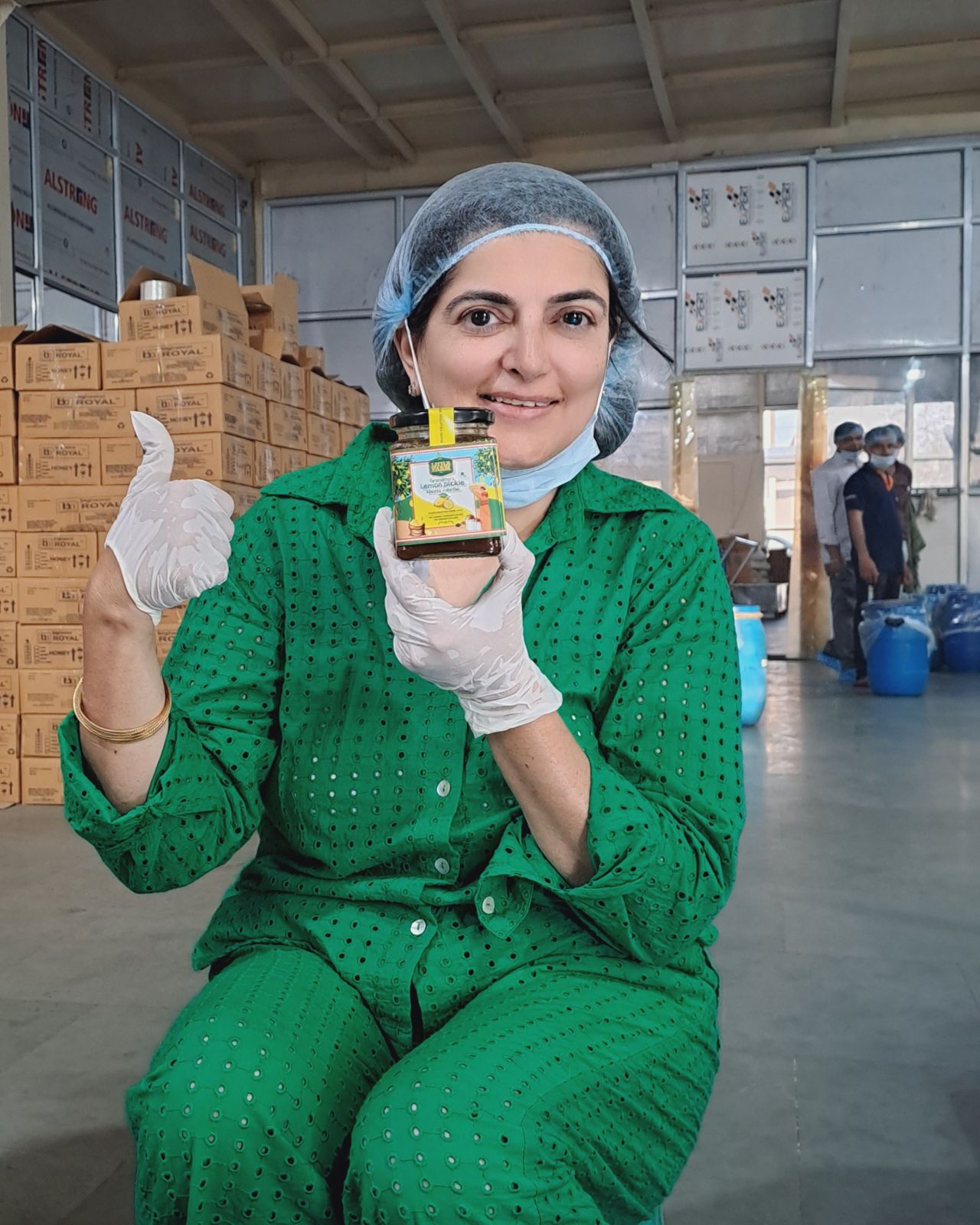
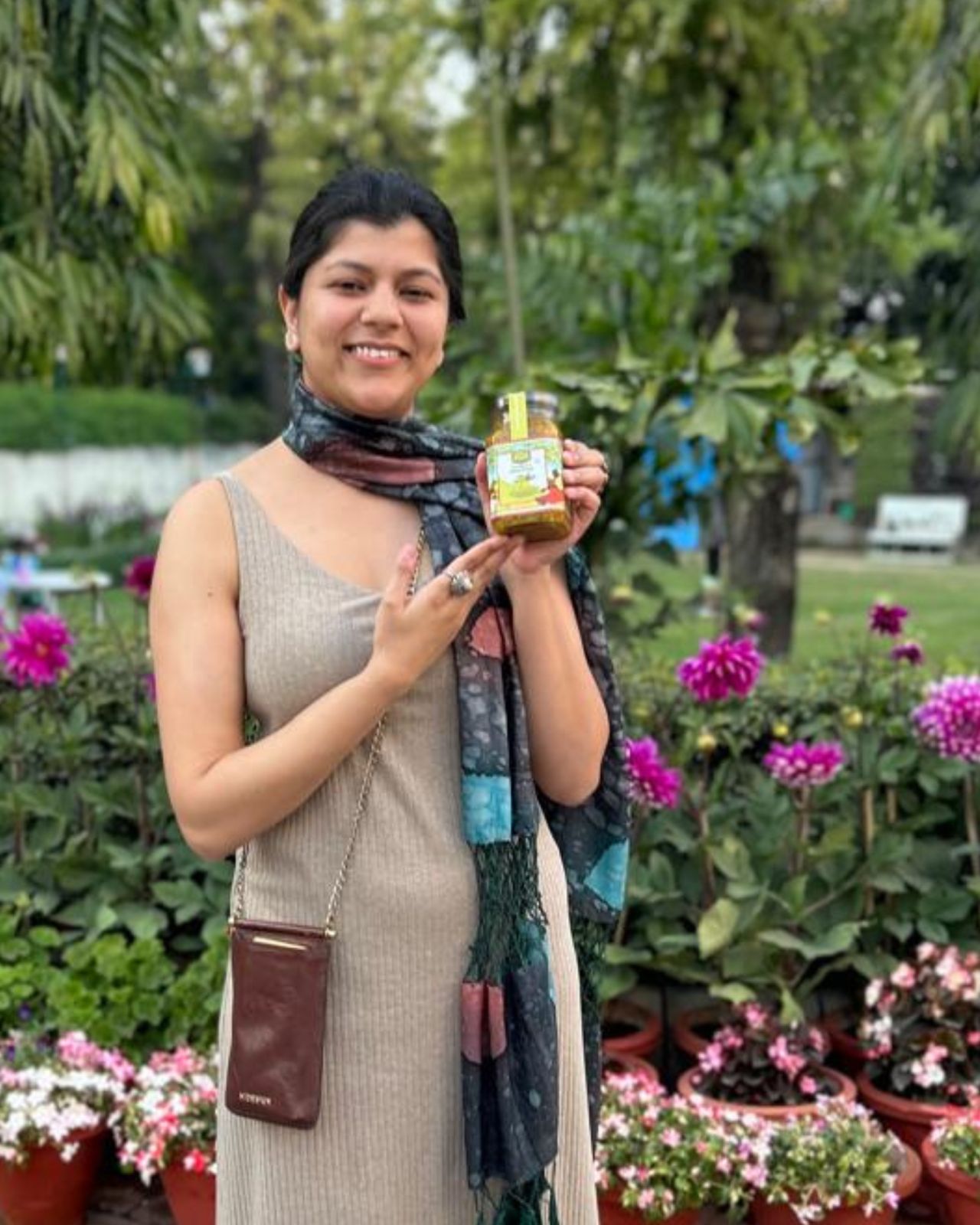
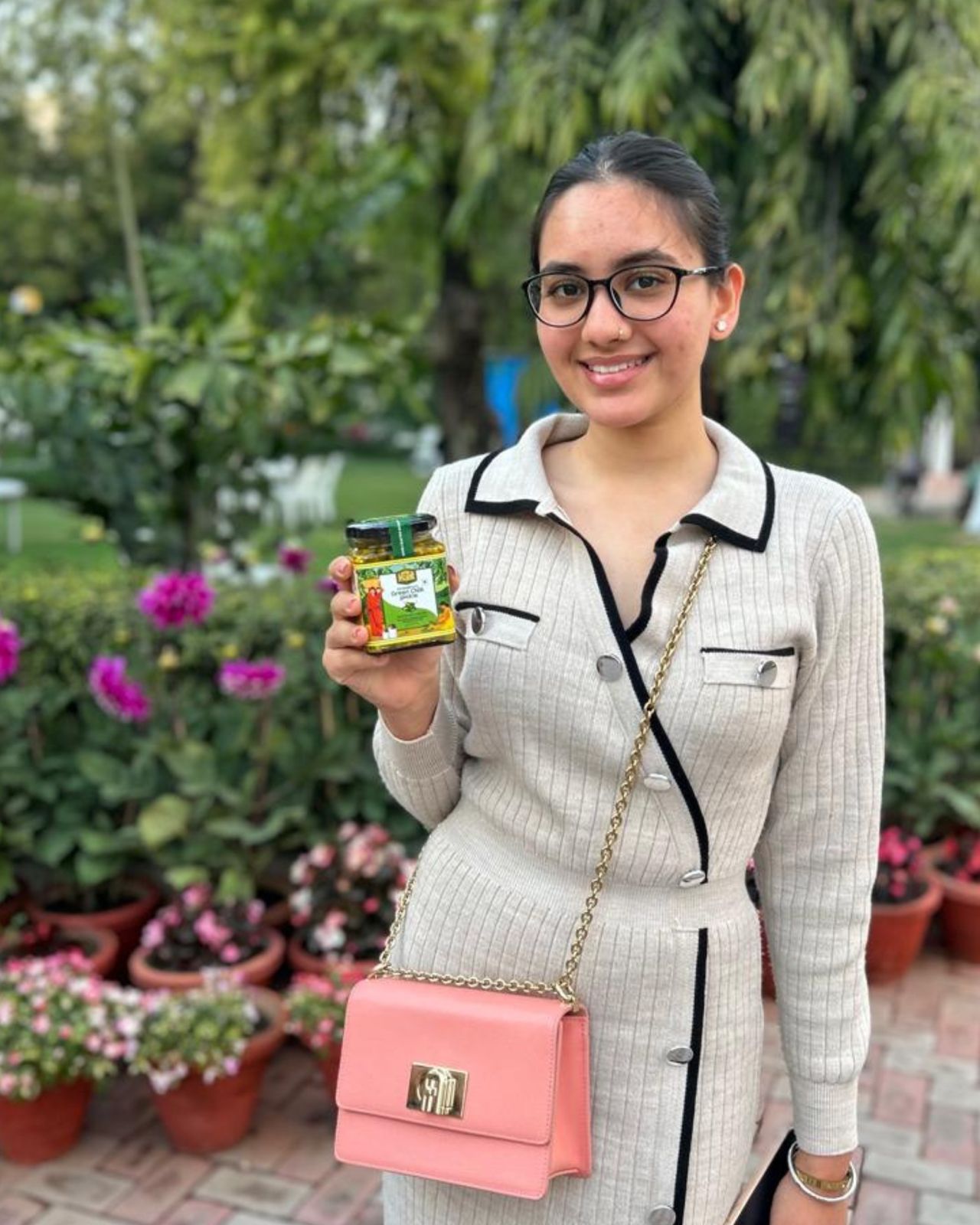
On a sun-drenched terrace in Madhya Pradesh’s Chhatarpur, rows of glass jars catch the light like amber jewels. Inside each one, lemons swim in golden mustard oil, studded with spices that have remained unchanged for generations. This isn't a factory production line. This is memory made tangible and the exact scene Niharika and Aditya Bhargava watched unfold every summer in their childhood, when their dadi and nani would taste each batch and declare with Masterchef-level precision and authority: "thoda aur namak chahiye (needs more salt)."
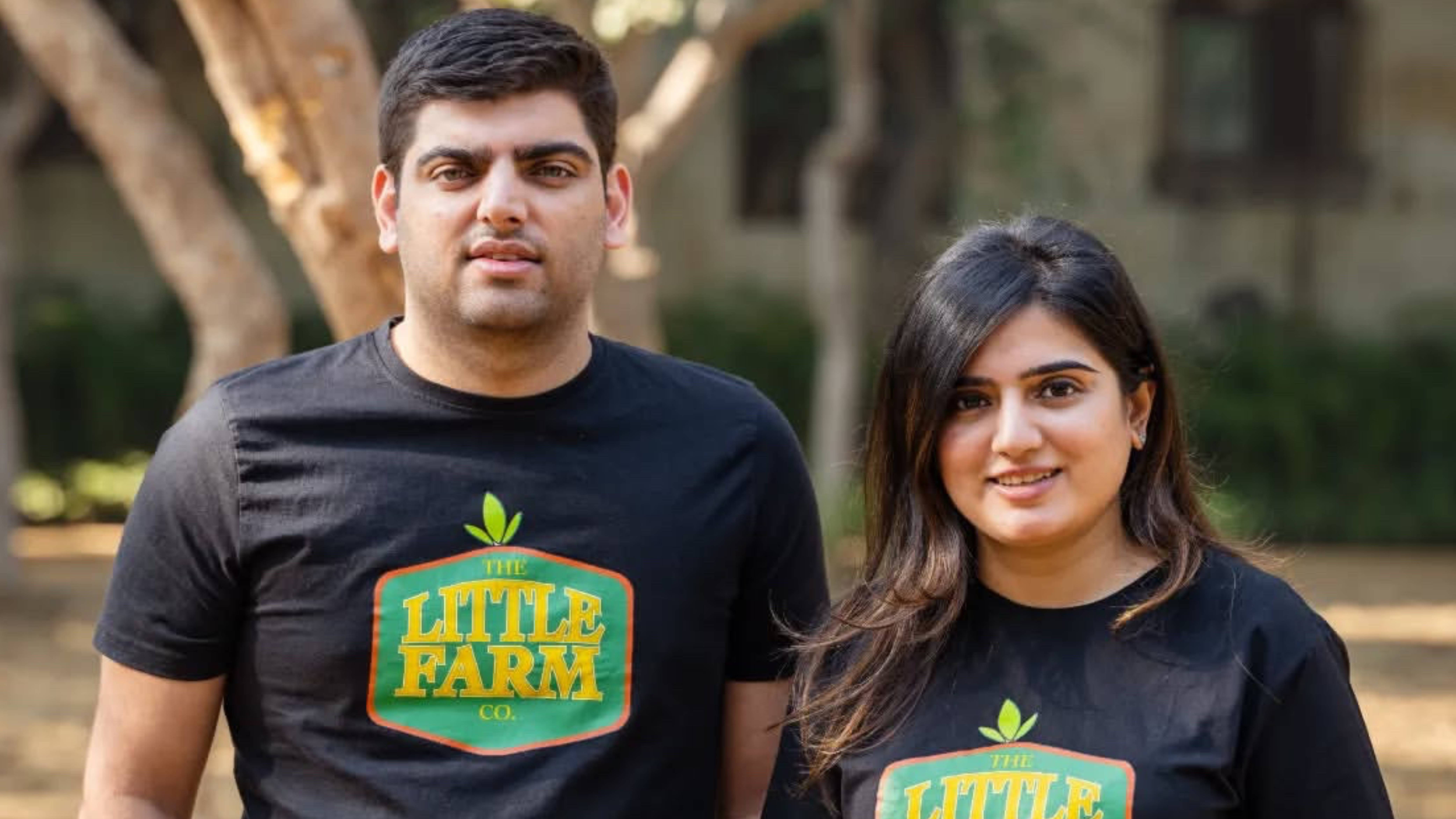
"That image —simple, loving, patient— is what the Bhargava siblings are bottling today with The Little Farm Co. Not just pickles, but the essence of what food meant before industrialisation stripped it of its soul"
Explore the goodness of The Little Farm Co.
When London Met the Land
The journey to The Little Farm Co. began not in the villages of Madhya Pradesh, but in
the corridors of London's Cass Business School (now Bayes Business School). Niharika had
left India after completing her Commerce degree from Delhi University, pursuing an MSc
in Marketing Strategy and Innovation. Aditya followed in 2019 with an MSc in Management,
earning a £10,000 scholarship and traveling to Barcelona and Prague as part of his
program.
But something curious happened in those foreign kitchens and cafes. The further they
moved from home, the more they craved it.
"After working in the corporate world and studying abroad, I felt disconnected from the
food on my plate," Niharika recalls. The irony wasn't lost on her: here she was, in one
of the world's most cosmopolitan cities, surrounded by Michelin-starred restaurants and
artisanal food markets, yet hungering for something no menu could offer: her
grandmother's pickle to add that flavour.
When their grandmother passed away, that hunger sharpened into grief, and then into
purpose. "The simplest recipes like the ones made by our grandmothers were slowly
disappearing," Niharika realised. Meanwhile, Aditya, with his entrepreneurial energy
honed at Bayes, saw beyond the emotional pull. He recognised a market gap where
nostalgia met nutrition, where tradition could be packaged for modernity.
It was, as they describe it, "neither rebellion nor strategy. It was instinct."
The Accidental Entrepreneurs
Growing up in a joint family meant the Bhargava home was always full of people, stories,
and most importantly, smells from the kitchen. Every meal was an event orchestrated
across generations, where everyone's favorite pickle sat on the table like a love letter
made edible. Their father, Vishal Bhargava, was no ordinary farmer — he was the
family’s pickle maestro, crafting batches that became legendary among everyone who
tasted them.
When Niharika returned to India in 2016, she spent three months not job-hunting, but
soul-searching. The answer she found lay waiting in Paharapurwa, Madhya Pradesh. About
400 acres of family land in a remote tribal village, untouched by industrial pollution.
The land wasn't just soil, but more a fond memory waiting to be cultivated.
"At first glance, it looked abandoned," Niharika says, "but to us, it represented
potential and a chance to reconnect with something pure and forgotten."
What began as a small experiment by sharing a few jars with friends and family, soon
exploded when people started calling back. "This tastes like home," they said, over and
over. And in a country rapidly losing its culinary heritage to mass production and
preservatives, that phrase became a rallying cry.
The first recipe they committed to preserving wasn't chosen for commercial viability. It
was their dadi's Lemon Khatta Meetha Pickle – sweet, tangy, made only once a year when
the lemons were perfect. "If The Little Farm Co. was ever born," we knew, "it would
begin there."
Slow Food for a Fast Life
In an era defined by 10-minute delivery and instant gratification, the Bhargavas made a
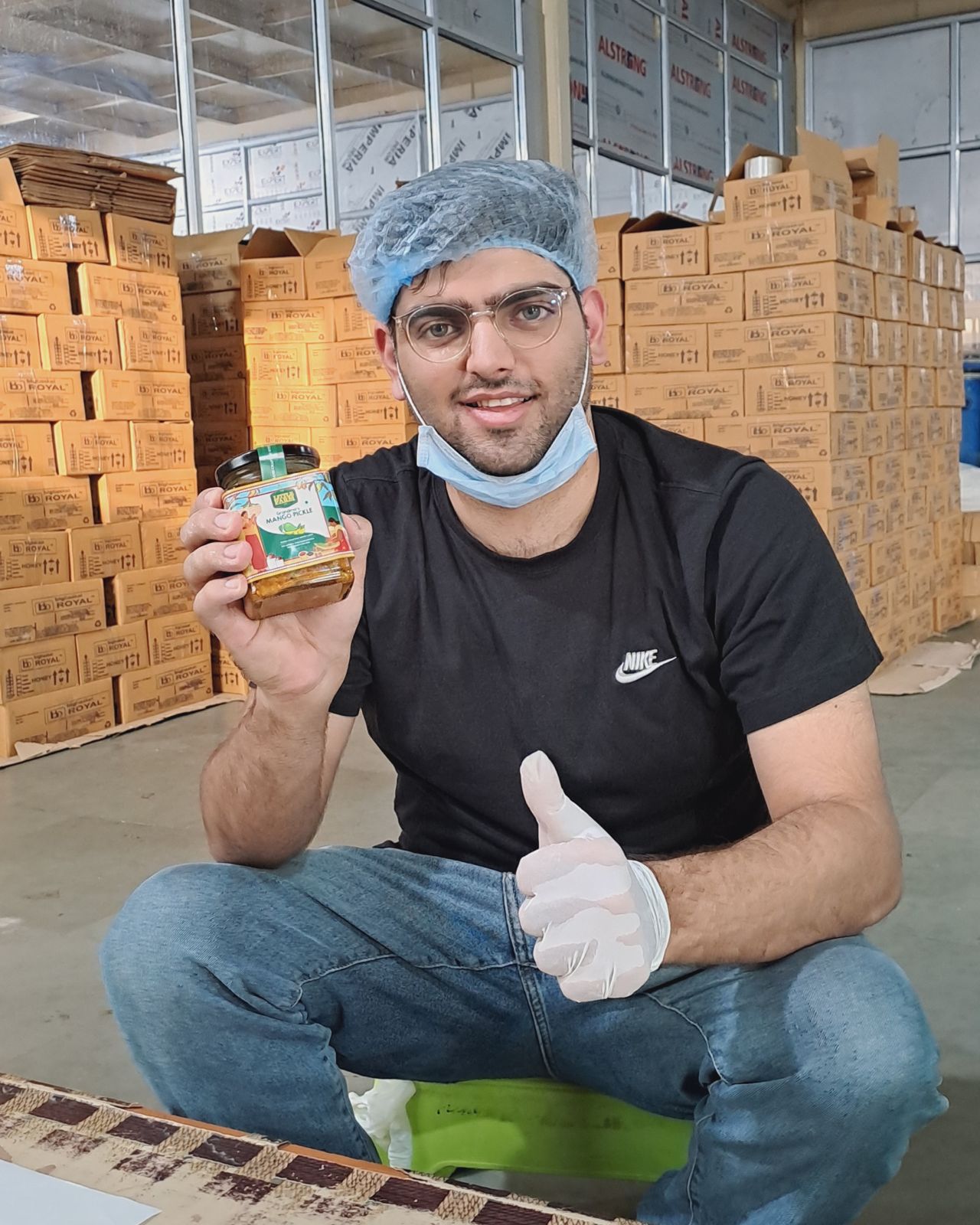
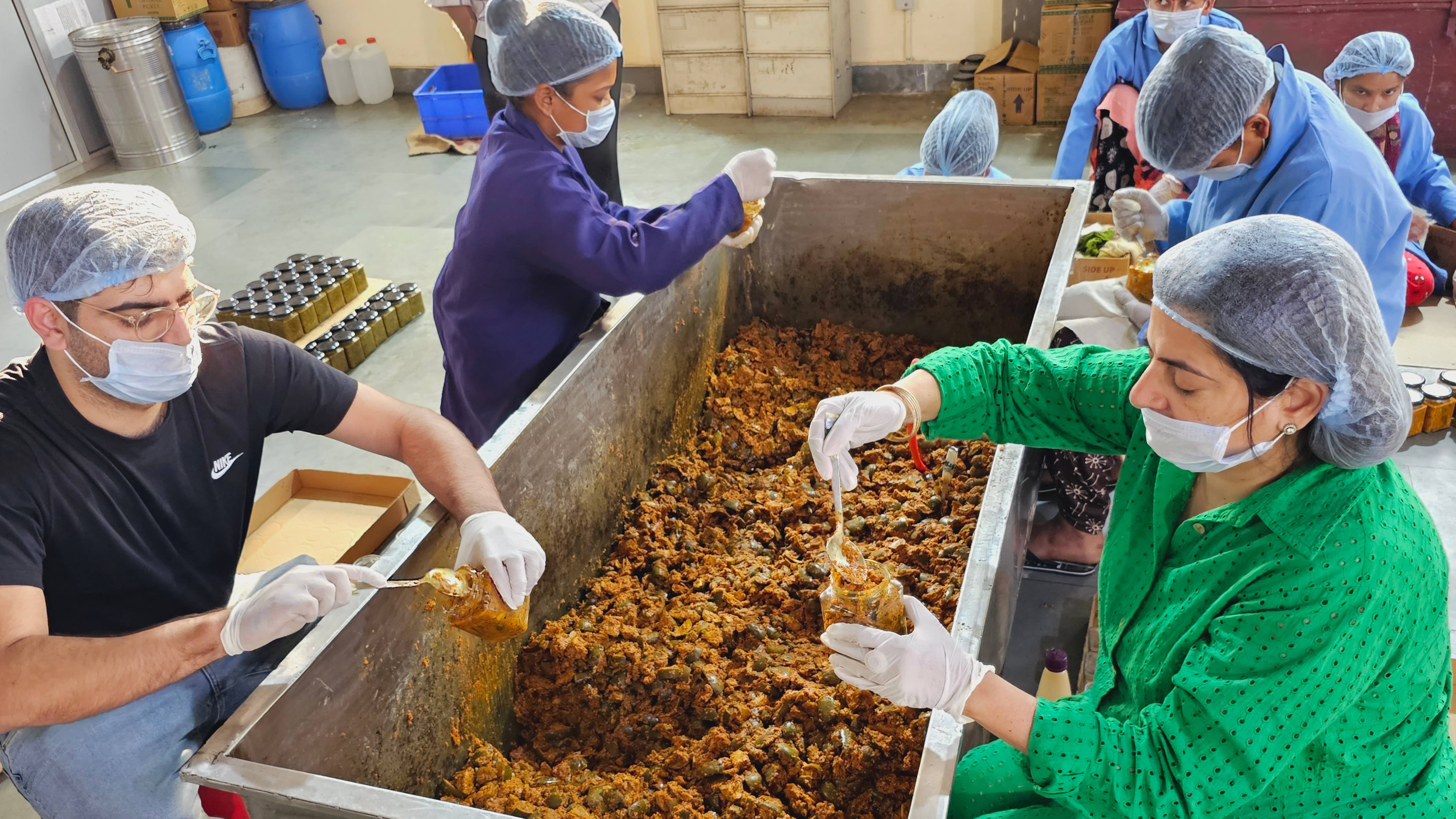
radical choice: they went slow. Sun-drying. Fermenting. Cold-pressing. Each process
taking days or weeks, not minutes.
"You can't rush a pickle," Aditya states matter-of-factly. "That's where the magic
happens."
This philosophy nearly broke them early on. When production scaled faster than their
infrastructure could handle, batches spoiled. Their remote village location meant
frequent shipment delays. They had days when cutting corners looked tempting. Instead,
Niharika says, "we doubled down on quality. Those challenges became our best teachers in
patience and resilience."
The Sibling Quotient
Working together as siblings added another layer of complexity. As Niharika leads with
creativity and brand vision, Aditya drives execution, sales, and scale. A division of
labour that sounds clean on paper but could get messy in practice.
"We disagree a lot, but always with respect," they admit. "One builds emotion, the other
builds structure. Both perspectives are necessary."
The turning point came when they were featured in a Hindi national newspaper. "Our
website exploded with orders from pin codes we hadn't even imagined," Aditya recalls.
That's when they knew: if this could be big, they'd need capital and focus. They pivoted
from offline farmer markets to digital-first, concentrated on mastering specific
geographies before expanding, and raised seed funding from 100X.VC.
The Heart and Hand Behind Each Jar
What sets The Little Farm Co. apart isn't just the absence of preservatives. It's the
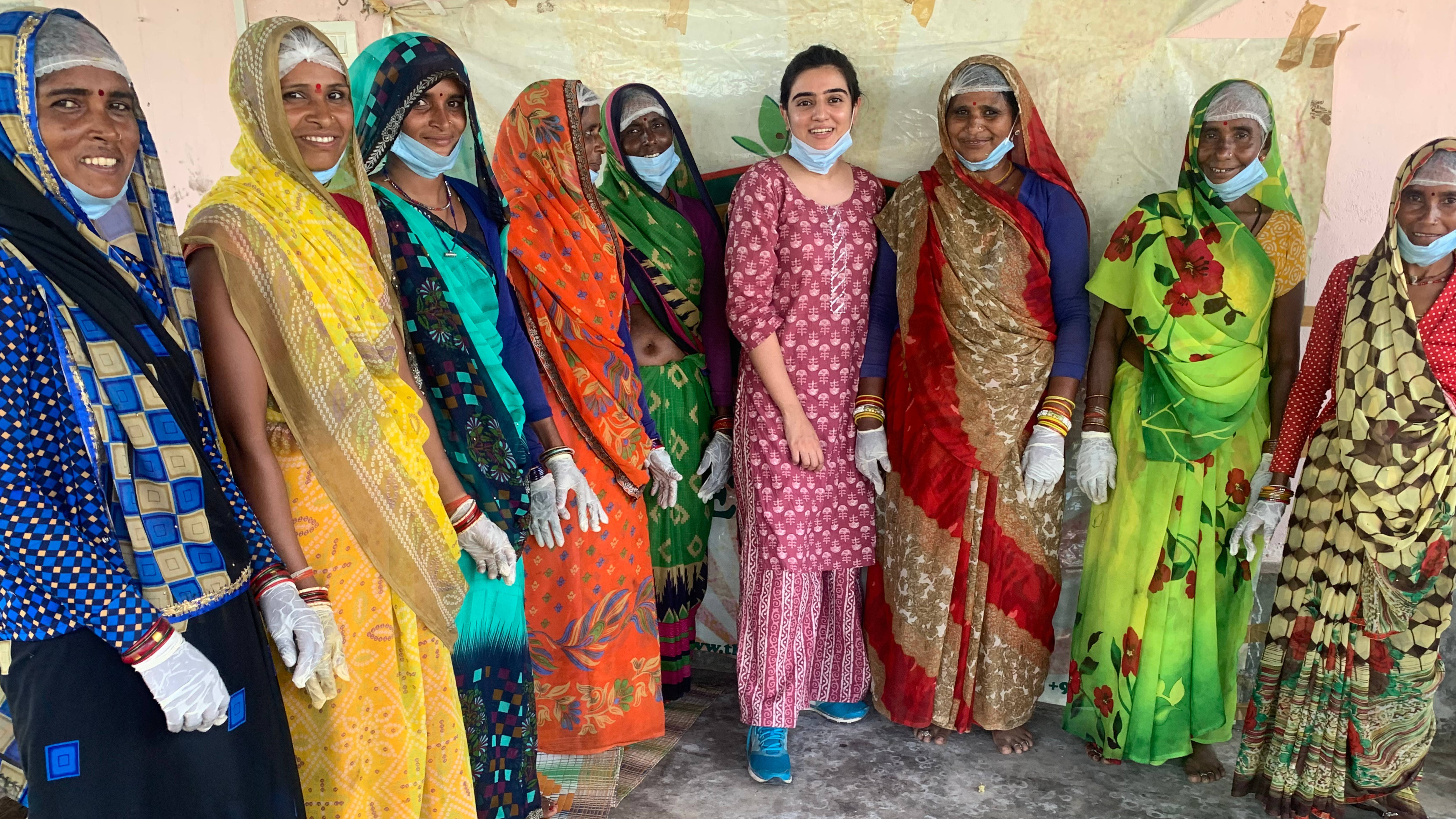
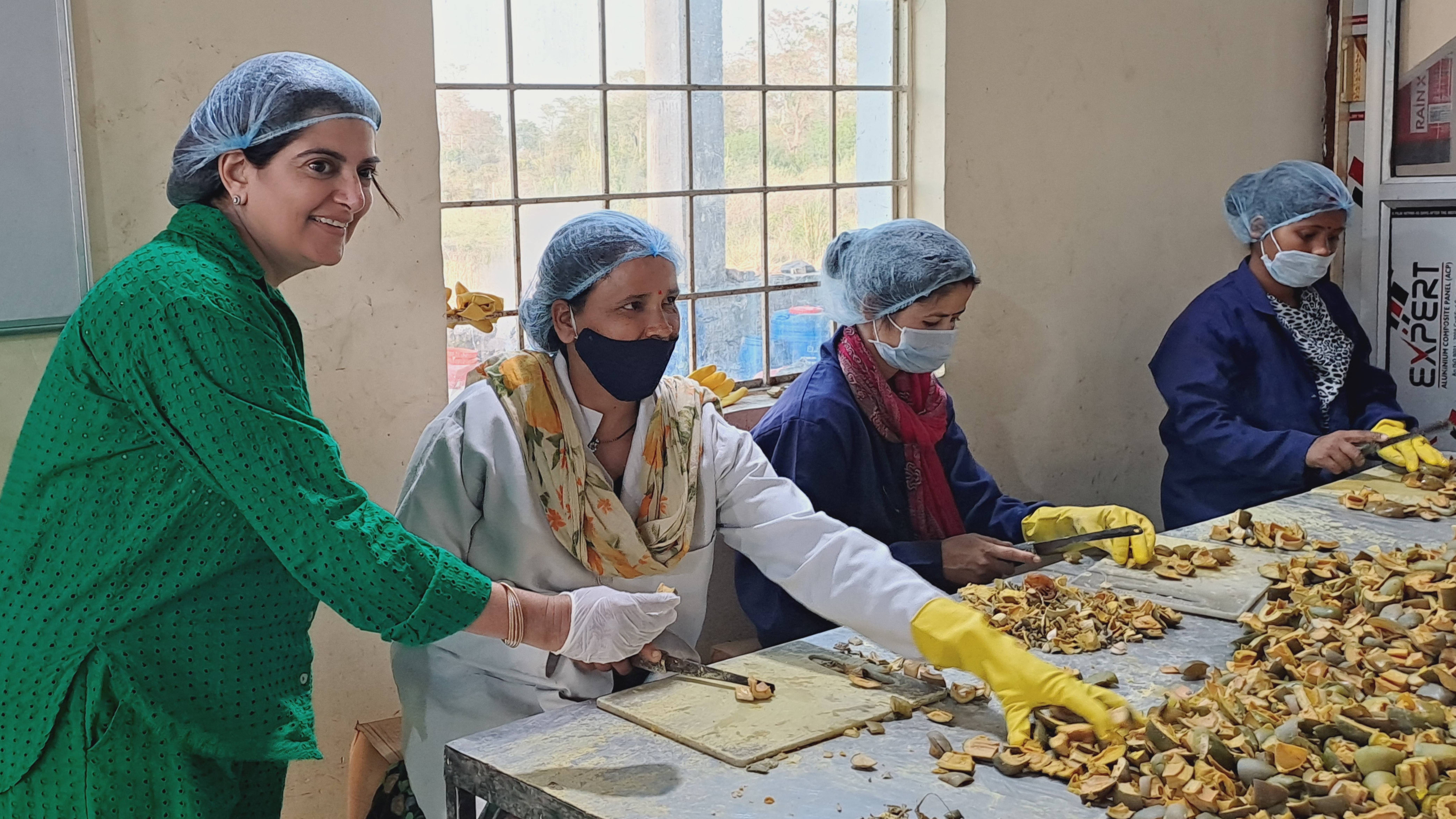
presence of intention. Every jar is handcrafted by tribal women, many of whom are single
parents or survivors of domestic violence. The company partners with NGOs like Asha to
recruit and train these women, teaching them hygiene practices, market skills, and
business acumen.
This community-led model means that while The Little Farm Co. directly employs 8-10
people, it indirectly supports a network of 100+ farmers across tribal villages in
Madhya Pradesh and remote parts of Uttarakhand with 70% of them women.
"We're not just selling jars," Niharika emphasises. "We're reviving a practice, reminding people that food can be both traditional and modern, healthy and indulgent"
Explore the goodness of The Little Farm Co.
The authenticity resonates. With a 30% repeat customer rate and presence across Blinkit,
Swiggy Instamart, Zepto, Amazon, Flipkart, and specialty stores, The Little Farm Co. has
achieved what seemed paradoxical, their slow food found its place in a fast
world.
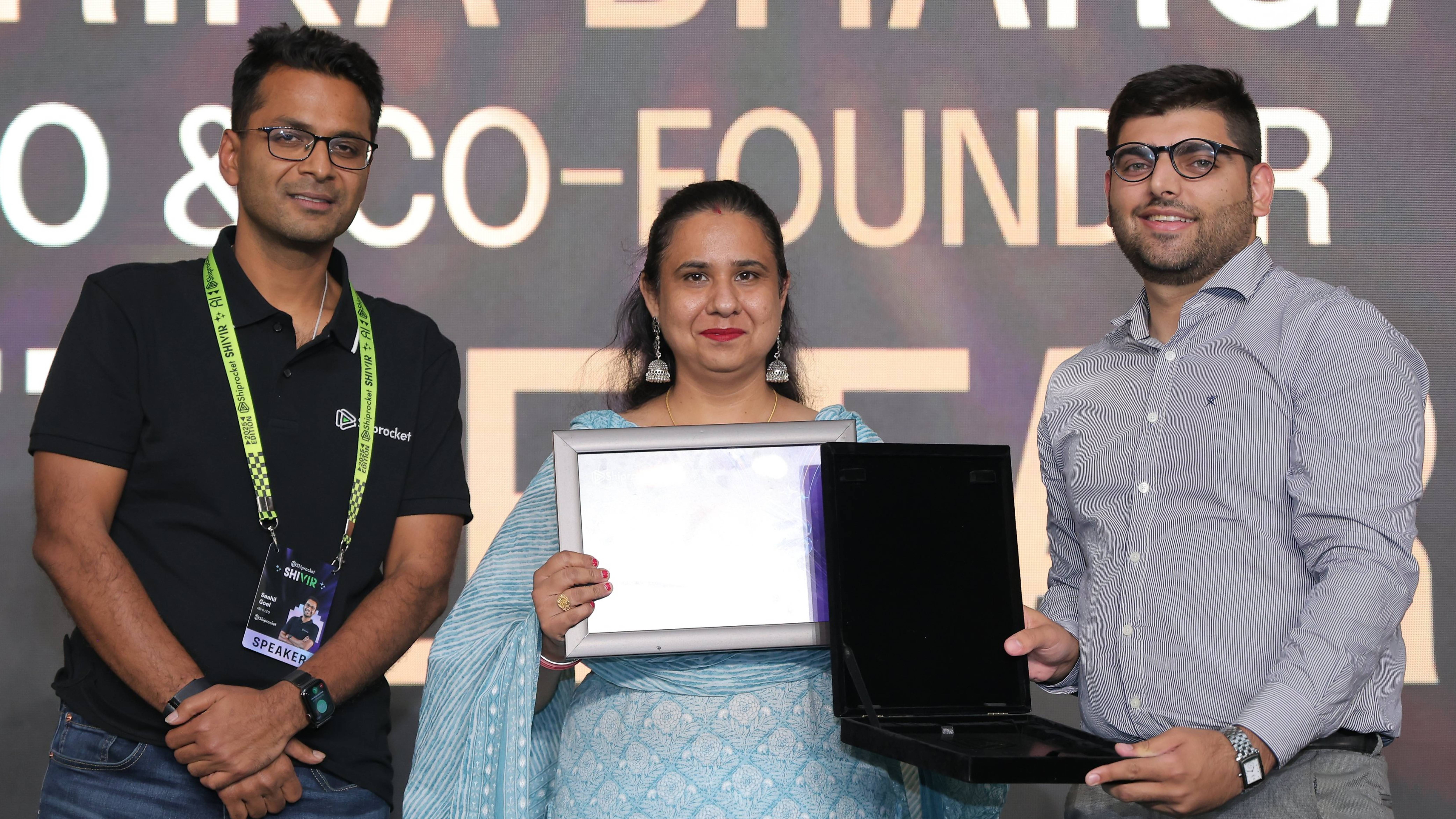
The recognition followed: Aditya received a special mention in Forbes India's 30 Under
30 list, while Niharika was honored in Forbes India's Self-Made Women winners list in
2020. Most recently, Aditya was recognised in Forbes 30 Under 30 Asia 2025 in Retail &
E-commerce. Niharika represented the company at the Forbes Under 30 Summit in Bangkok,
and has shared their sustainable food philosophy as a TEDx speaker.
Building Purpose Over Profit
When asked about their company's foundation, the siblings reveal their complementary
values:
Niharika: "Integrity—because food is trust."
Aditya: "Consistency—because building trust takes time, but losing it takes
seconds."
These aren't corporate platitudes. They're principles forged in the face of real
challenges: from stabilising recipes without preservatives to navigating the
complexities of FMCG distribution from a remote village, from facing criticism in a
male-dominated farming industry to learning industries they had no background
in.
"I did not belong to this background," Niharika admits. "I come from a marketing
background and had no experience in the food space. But I learned on the job, built the
right team, got the right mentors."
Looking ahead, they're targeting ₹1,000 crores in revenue, planning global expansion
(with the UK as a priority market), and aiming to become a modern brand for millennials
while preserving their grandmother's soul.
"Every time we see our jars being delivered in minutes, we smile
knowing that our slow food found a place in a fast world," Aditya says.
Their legacy isn't just about building a successful brand. It's about proving you
can scale globally without losing your local heart. It's about showing that passion
and purpose aren't mutually exclusive with profit. It's about the moment when
someone picks up a jar and says, "This tastes like my childhood
"
The Bhargava Blueprint: Building Blocks
1. Test Before You Scale—Then Scale With Purpose: "If you have a great idea, try it. You
wouldn't know if it works till you explore it further. Deep dive into testing your
product and market research. If you get the right fit, there is no stopping." Don't skip
this step: enthusiasm without market fit is just expensive hope.
2. Build a Team That Fills Your Gaps: "By getting your hands dirty in areas like
accounting, finance, operations, HR, distribution, and product development, you
inevitably end up becoming a jack of many trades." But you can't be a master of all.
They leaned on mentors, built diverse teams, and weren't afraid to admit what they
didn't know. Vulnerability, they learned, is strength.
3. Stay Slow in the Rush to Scale: "Going slow isn't old-fashioned for us. It's what
makes our food real." In a world obsessed with growth hacks and viral moments, the
Bhargavas succeeded by refusing to compromise on what mattered, their quality and
authenticity.
"In the end, The Little Farm Co. is about far more than what goes into the jars — it’s about the memories, the people, and the purpose they release. A brand where tradition is protected, craft is honoured, and every jar holds the unmistakable story of home."
Explore the goodness of The Little Farm Co.