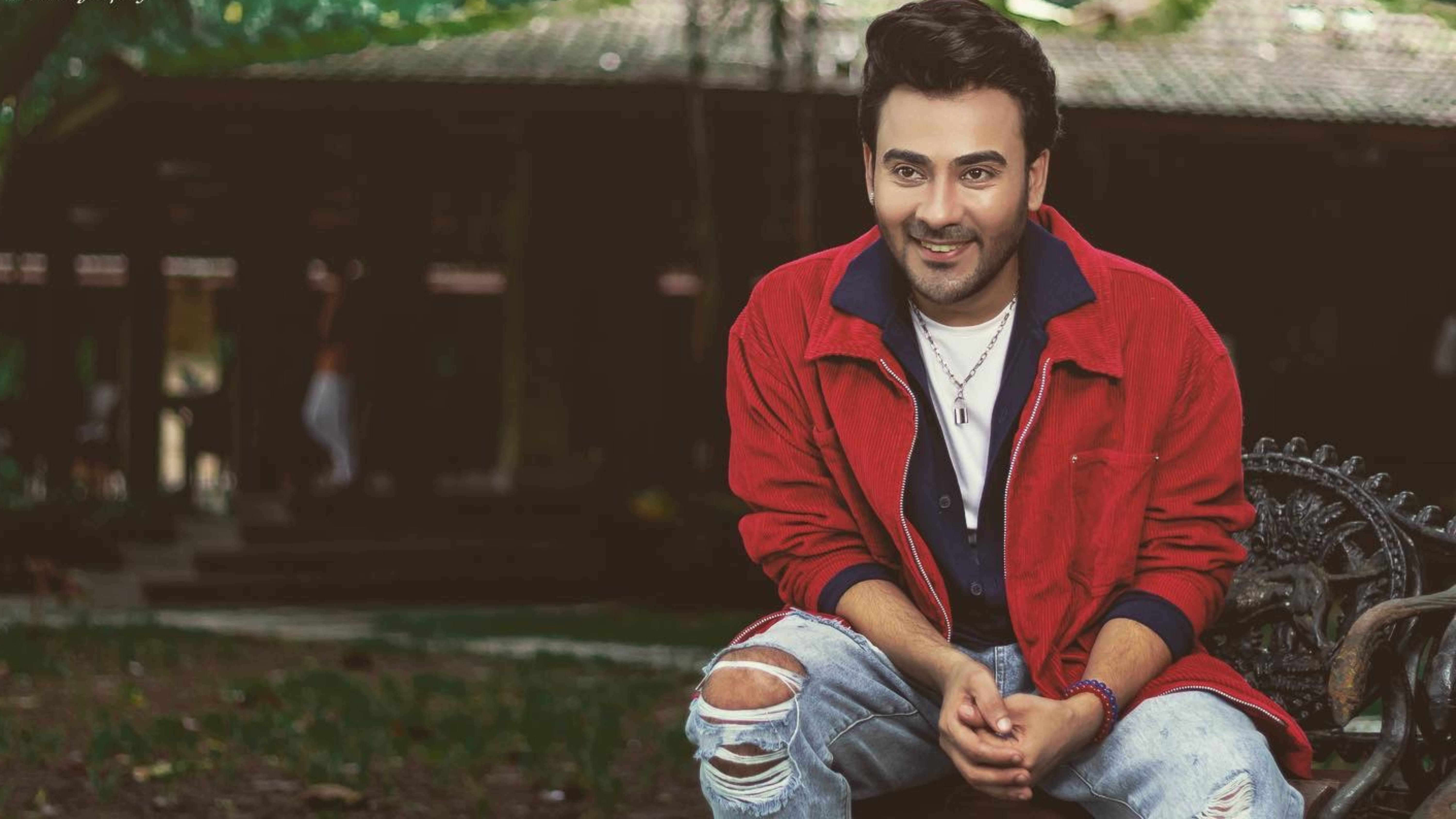
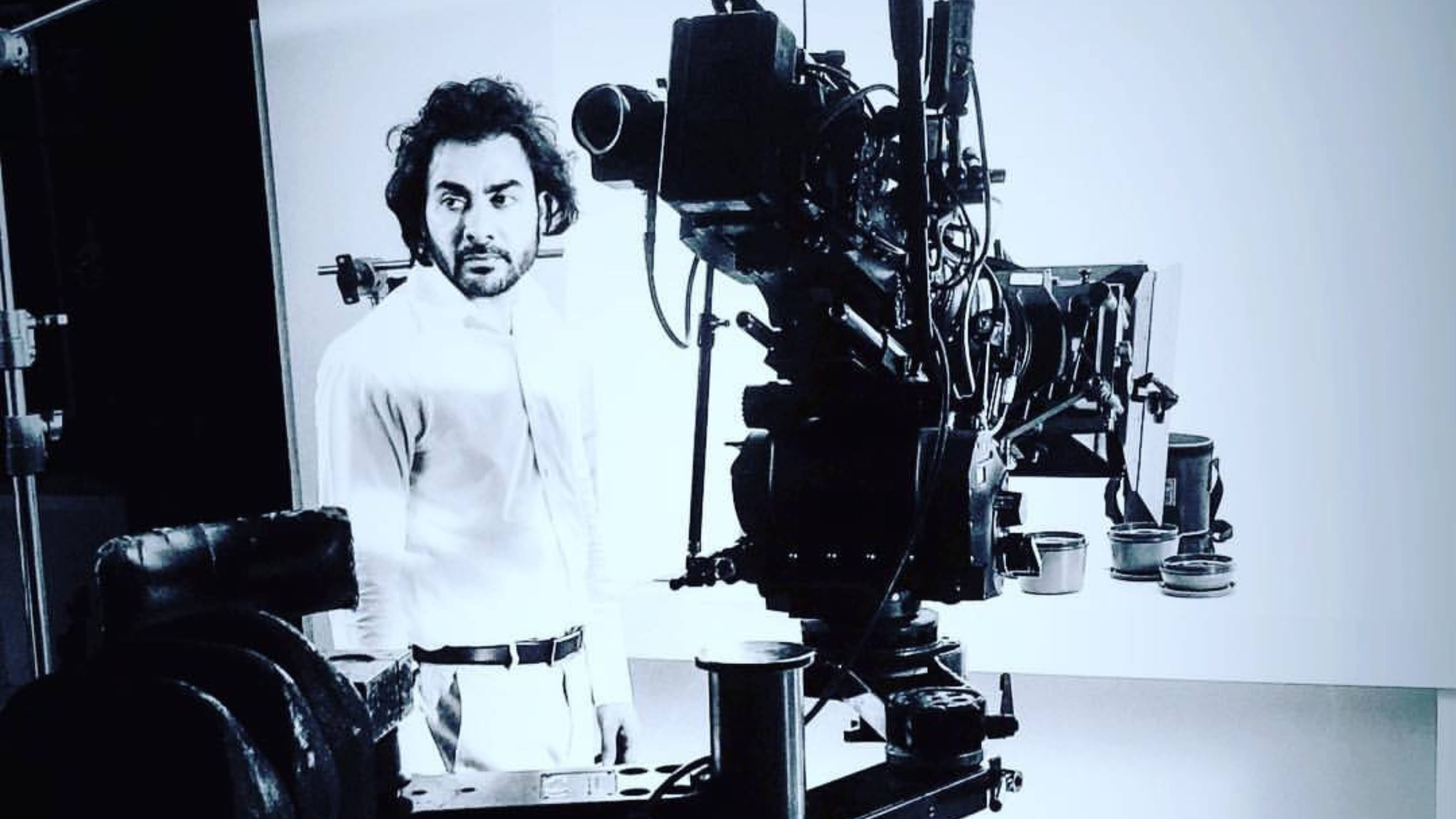
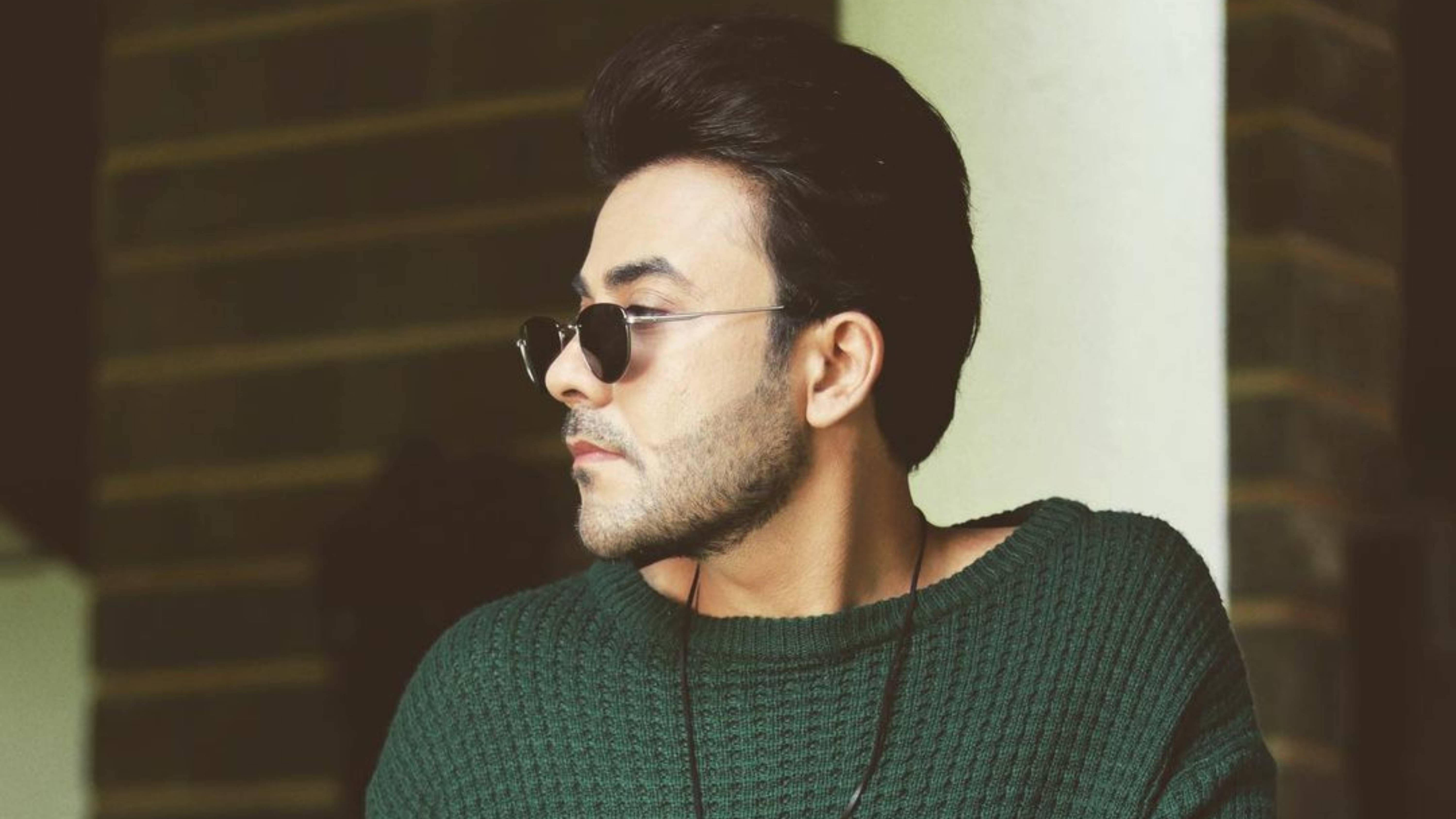
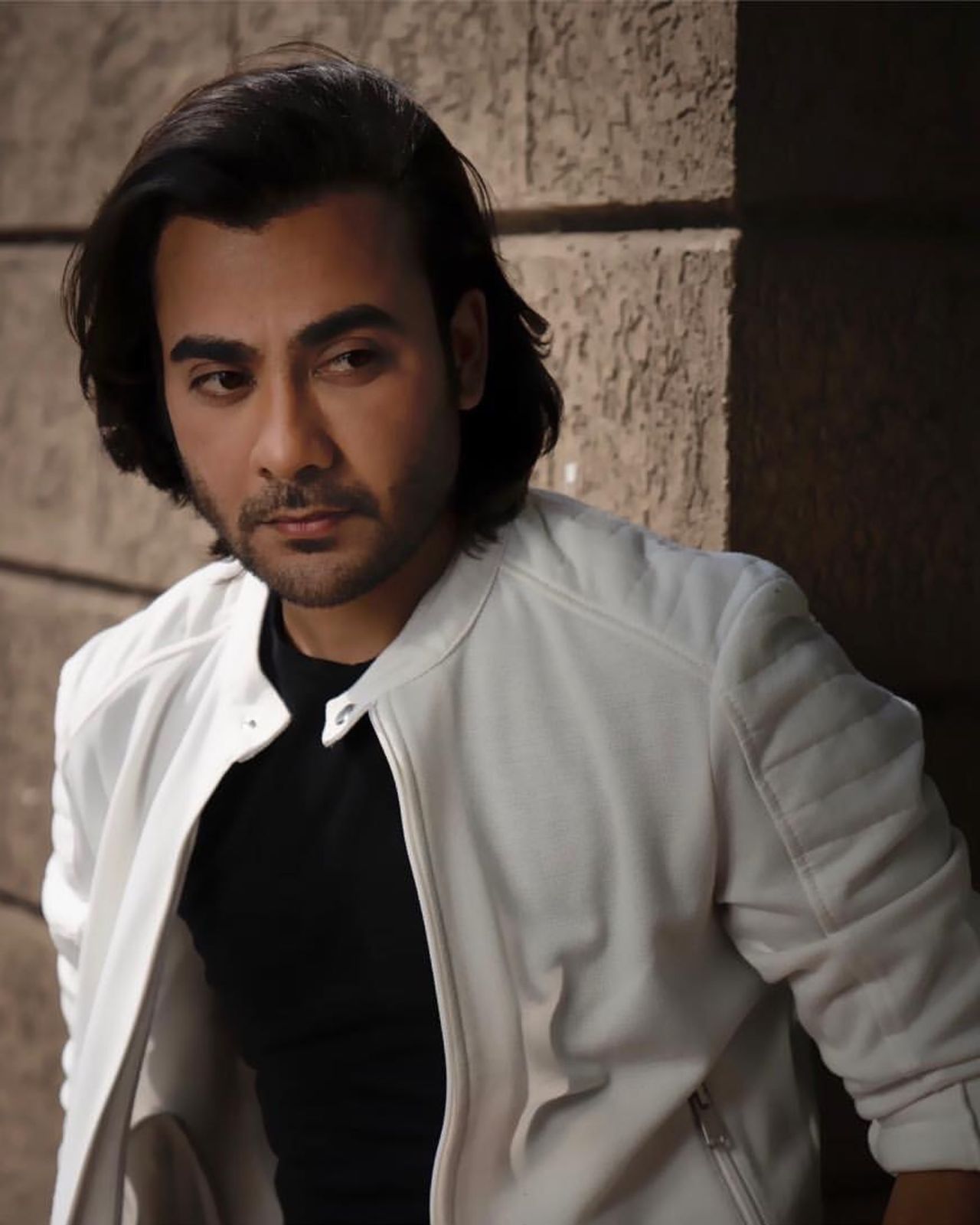
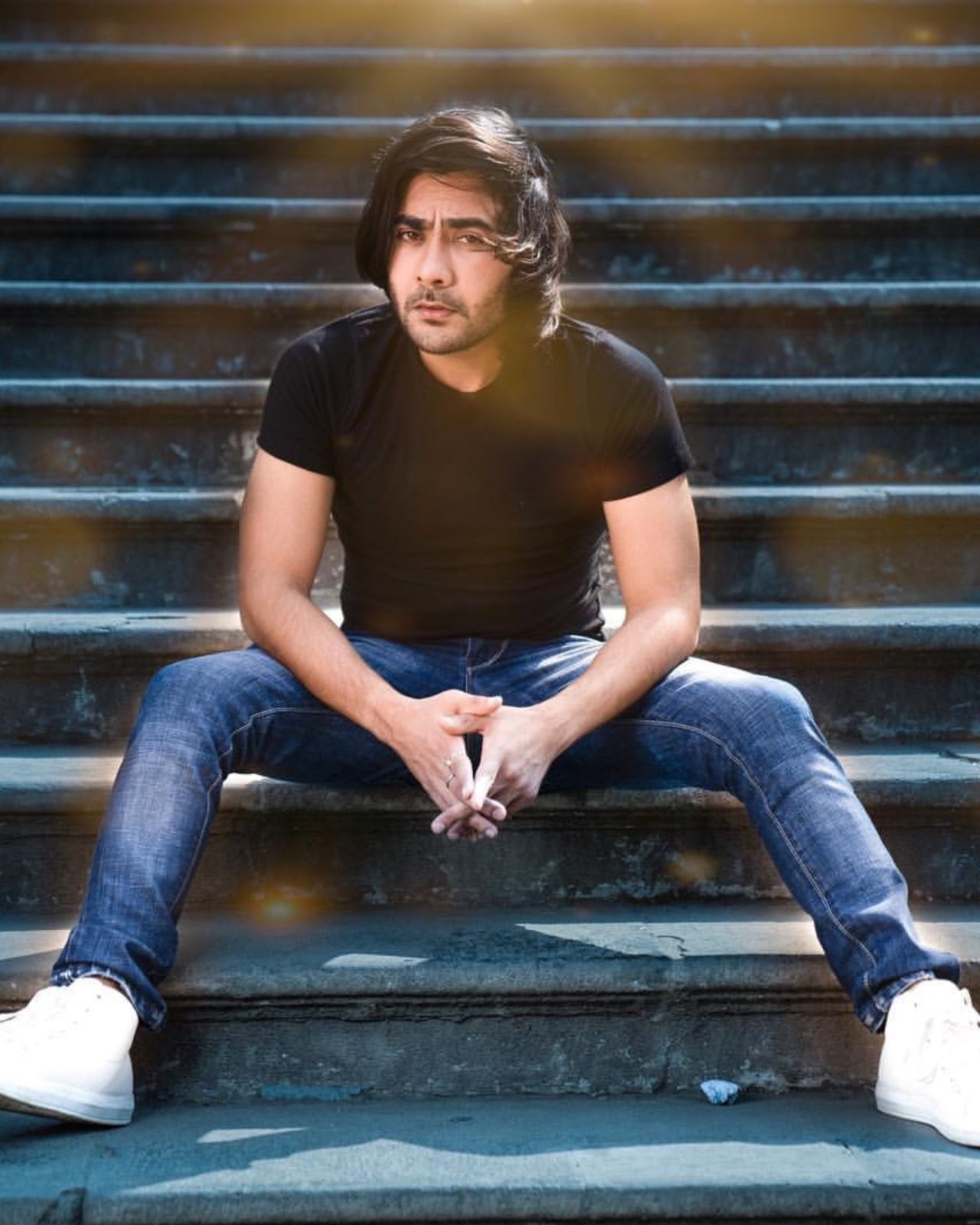
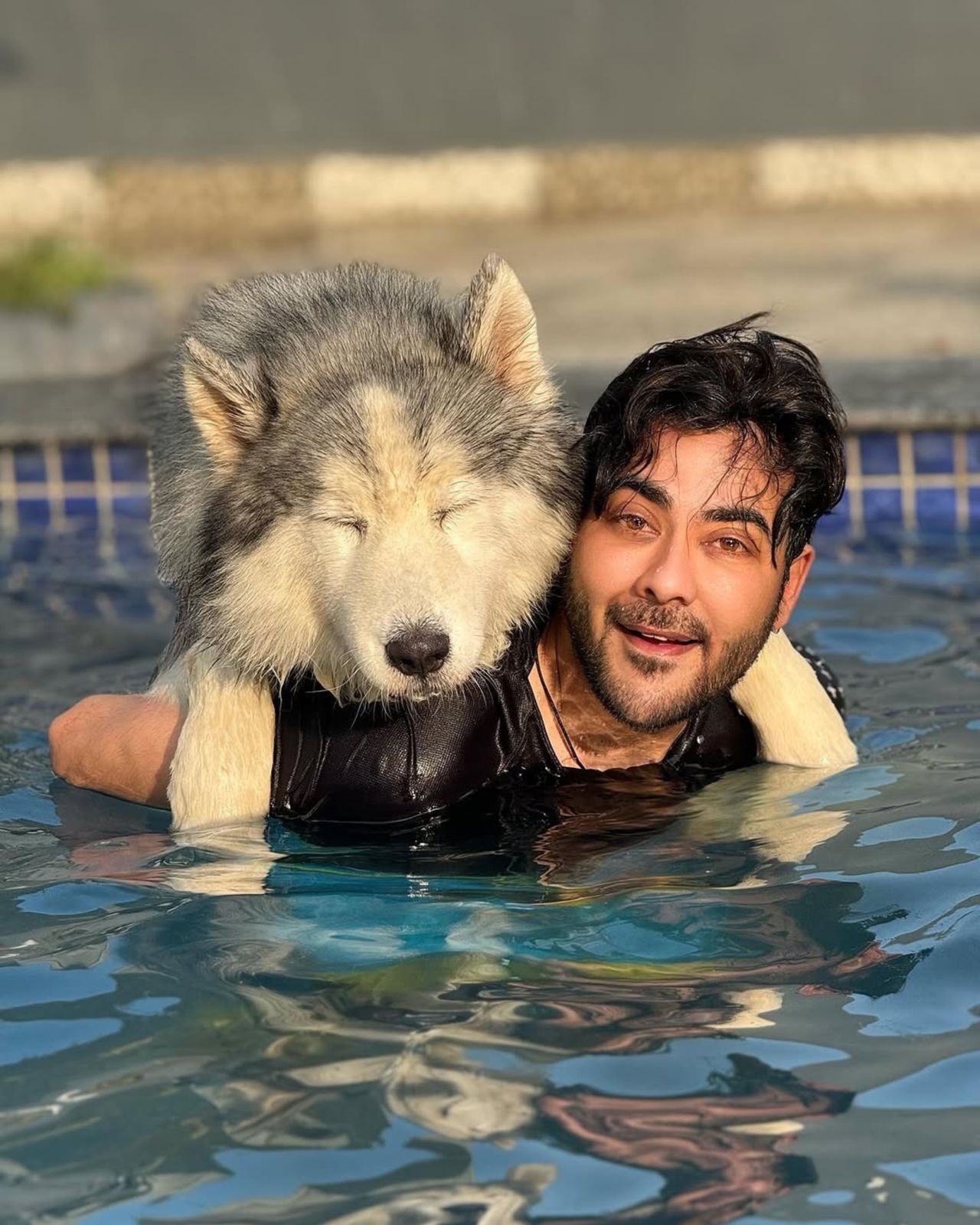
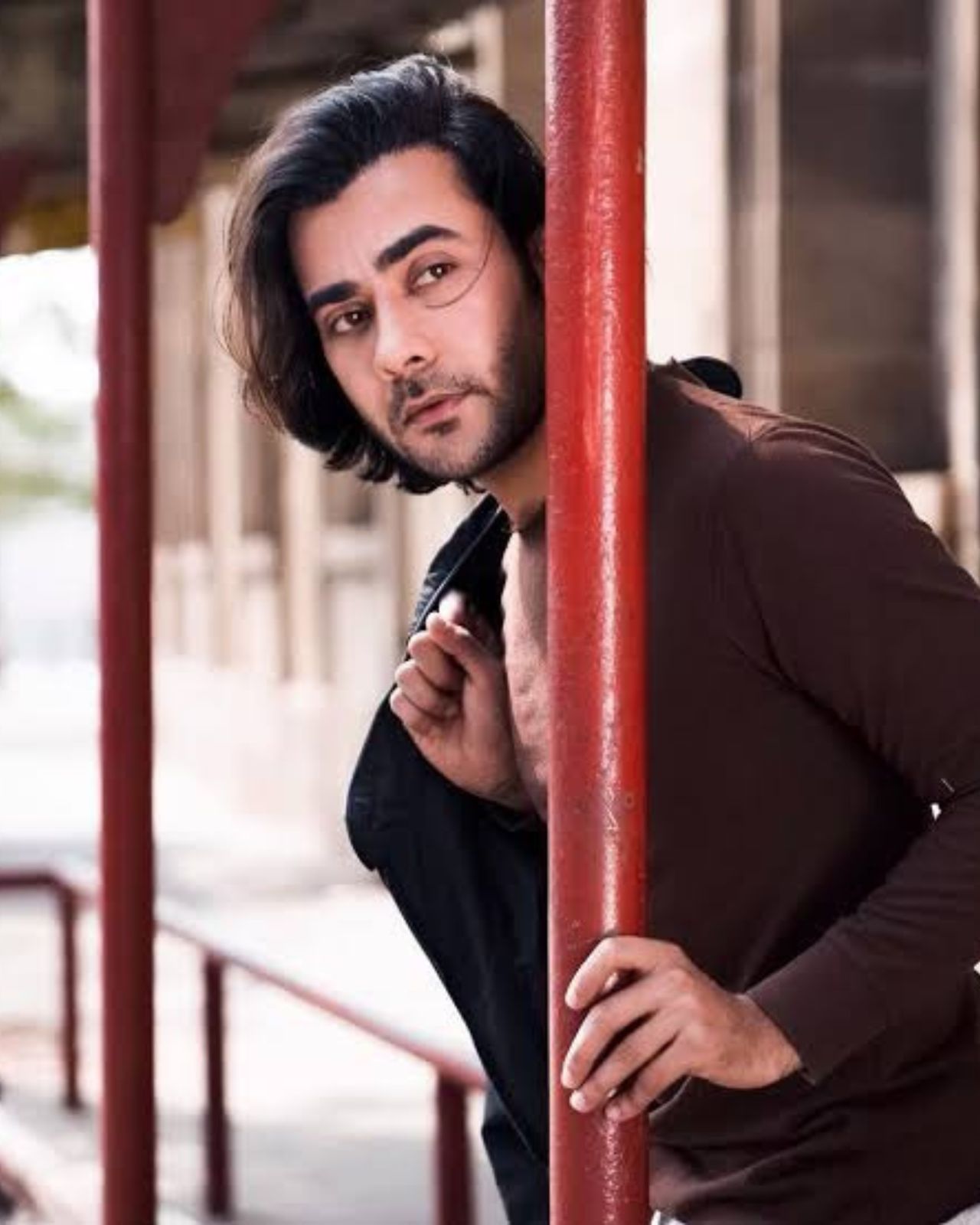
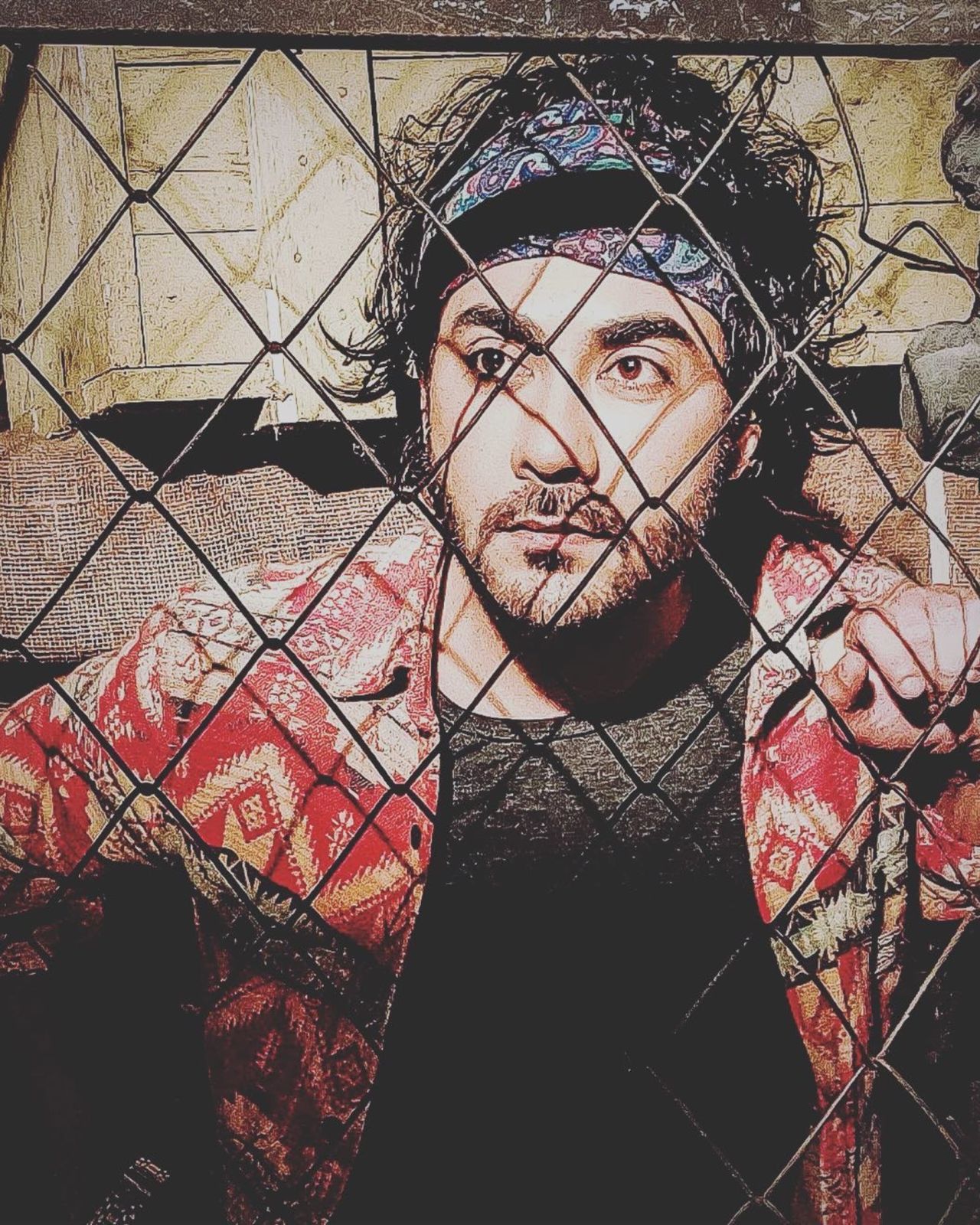

The first time Worship Khanna arrived in Mumbai, his family had given him explicit
instructions: hide cash in different pockets, stuff some in his shoes, never leave his
suitcase unattended. Everyone in Mumbai is a thief, they'd warned. So he stepped off
that train scanning every face on the platform as a potential threat, a boy from
Moradabad who'd never traveled alone, clutching his entire future in a suitcase while
genuinely believing the city would swallow him whole.
That paranoid arrival, now absurd in hindsight, captures something essential about the
journey from small-town India to Mumbai's entertainment industry. You don't arrive
confident. You arrive terrified, over-prepared for the wrong dangers, completely
unprepared for the real ones.
"Over a decade later, Worship has learned which threats were real. He's still here, still working, still building. He doesn't call himself a celebrity—refuses the label, actually. And maybe that's precisely why he's survived."
Explore Worship Khanna’s Craft
The House of 25
Growing up in Uttar Pradesh’s Moradabad, Worship's childhood was defined by the warmth
and restrictions of a traditional joint family. Twenty-five people under one roof meant
constant company, endless chatter, and very little solitude. It also meant rules. "I
never went to school alone," he recalls. "My upbringing was with my mom and dad, in a
decent family with restrictions."
But within that structure, something else was brewing. Young Worship was hyperactive in
every school competition, from dancing, singing, acting to debates. He didn't just
participate; he won. And his family noticed. His grandfather became his earliest
cheerleader, repeatedly insisting that the boy belonged on television: "Send him to
Doordarshan”. In an era before Zee TV and Star Plus dominated Indian living rooms,
Doordarshan was the only window to stardom, and the old man could see his grandson
shining through it.
The prophecy began to fulfill itself sooner than anyone expected. At just 13, Worship
landed his first commercial work—advertisements for Mother Dairy and Ranbaxy shot in
Delhi. He appeared on DD National's Music Dhamaka alongside veteran actor Paintal. The
child artist was born. But the momentum broke and he took a break, did his graduation,
pursued a Master's in Mass Communication and Journalism, and even landed a job at IBN7
news channel through campus placement.
For a business family with no history of salaried work, this was an achievement enough.
Their son had made it. Except he hadn't. "I had no reason to do journalism except that I
was from a very small town and I wanted to be on TV," he says. "I didn't know any means
to get on TV." So he'd chosen the only degree that seemed adjacent to his real ambition,
hoping proximity would somehow transmute into opportunity. It didn't work that
way.
The First Deception
When Khanna told his family he wanted a Master's degree in Mumbai, they supported the
decision. They had no idea he'd already decided to skip most classes in favor of
auditions. While enrolled, he was quietly building a different education—learning how
casting calls worked, how rejection felt, how to keep showing up.
When his family finally saw him on television, shock converted to pride. They've backed
him since.
His acting career officially began in 2015, when he appeared in India's longest-running
investigative series, CID. It wasn't a starring role, but it was legitimate,
professional work. Over time, he would go on to appear in 16 different stories for the
show, but one particular episode changed everything. "Nakli Bandook Ki Asli Goli" was
inspired by Dhoom 2's concept of a master criminal who constantly changes disguises.
Worship played multiple characters—an old man, a woman, a sweeper—transforming his
appearance repeatedly within a single story. The versatility caught people's attention.
"After that story, the approach to getting work became a little easier for me because
people understood that he can perform. He knows acting."
Zee TV's Sethji gave him a year to prove himself on a daily soap. He has since cycled
through Kumkum Bhagya, Meri Doli Mere Angana, Ishq Subhan Allah, and moved into OTT with
Coldd Lassi Aur Chicken Masala alongside Divyanka Tripathi and Rajeev Khandelwal, plus
Hello Jee and others. Each role is another brick. The building continues.
What the Giants Taught Him
Working with established actors and directors gave Worship more than technique. It gave
him a code and taught him professionalism. He's worked with Pradeep Sarkar, who
introduced Vidya Balan in Parineeta. With Rohan Sippy, son of Ramesh Sippy. He watched
how they operated.
One memory stands out. After working with Sarkar for nearly two weeks on Coldd Lassi Aur
Chicken Masala, Worship nervously asked for a photograph. Sarkar asked him to come over
and sit next to him which made Worship think he'd offended the director. But Sarkar
pulled him close and had him sit on his lap for the picture, calling him "a cherry on
the cake" in his show. "That appreciation from him was enough to boost my confidence,"
Khanna says, his voice still warm with gratitude.
From these veterans, he absorbed a specific ethic: show up on time, don't demand special
treatment, make the work better. A senior actor told him early on: "Even if you are a
19/20 actor, you will survive in this city, but be a 20/20 human being."
Worship took it literally. In 12 years, he's been late to set once—by 15 minutes. He
doesn't demand personal staff. If he wants his own makeup artist, he pays out of pocket.
"I have worked very hard for this work," he says. "I value it a lot."


The Math Nobody Mentions
But here's what the aspirational Instagram posts don't cover: the economics. Worship
doesn't sugarcoat it. "You become a star with one hit work, that is your destiny," he
says. "To run your household, you work continuously."
Which is why he cautions people considering this path. Come only if you have backup
money, family support, and the psychological fortitude to handle 200 auditions before
one success. "If you can take that rejection positively, if you are strong enough, if
you think your family will not pressure you from behind about when you will settle, when
you will earn money, when you will get married—then you should enter this
field."
He’s precise about language—actor versus celebrity. “You become a star only when demand
outpaces replaceability, when your face carries weight, and when the market makes room
for no substitute.”
For now, Khanna knows that for every character he's offered, ten other actors will take
it for less money. That's not self-deprecation. That's market analysis.
Further, going from a household of 25 people to complete isolation in Mumbai wasn't
romantic. It was traumatic. A boy who'd never cooked, never lived in a hostel, never
been truly alone, suddenly navigated one of the world's densest cities. "I have never
been alone in my life," he says. "So it was very difficult for me, no doubt."
Years later, he's learned to separate relationships from networking. In an industry
where every friendship might have a transaction embedded in it, he's figured out which
is which. "Networking is for work," he says. "The relationships, the relations are our
companions in good and bad times, in sorrow and happiness."
Letting Go to Become
What's striking is Worship's refusal to impose a vision. He arrived in Mumbai with no
manifesto, no specific story to tell. "I am totally a director's actor," he says. He
didn't know he could do comedy until he got a comedy show and people laughed. He didn't
think someone 5 feet 5 inches with a soft face could play a villain—until he did, and it
worked.
"We don't know what qualities and what flaws we have inside us, which we should keep honing," he says. "But in my profession, in my craft, I totally surrender to my director."
Explore Worship Khanna’s Craft
That flexibility has served him well as the industry shifts. Currently in Pati
Brahmachari, he's also embraced OTT platforms as they multiply opportunities for actors
without legacy connections. When critics complain about explicit content on streaming
services, he's unapologetic: "We filmmakers are making what the audience wants to see.
If they don't want to see it, then why would we make it? Because this is a
business."
His Non-Negotiables
After a decade and more in the industry, Worship's advice to aspiring
actors—particularly young men from small towns arriving with impossible dreams—comes
down to three things.
First, be strategic about your debut. "You should know how your debut is
happening. You
should try to get the best you can from there." Not Sanjay Leela Bhansali necessarily,
but the best within reach of your actual network.
Second, never be rigid about money. "There are fluctuations in the market. Here,
sometimes it's more, sometimes less, and sometimes I have even worked for free." The
market doesn't care about your pride.
Third, protect your professionalism like it's the only currency that matters.
Because it
is. "Here, to get work is very difficult in the first place. And when you get work, it's
very difficult to take it to heights. And if that fame also gives you a boost, then it's
also very difficult to maintain that fame. So you should always be grounded."
Lastly, Value every piece of work, no matter how small. “Growth only comes when
you
respect what you do. I approach every project like my first—hungry, grateful, and
determined to make it count.”
That mindset which is relentlessly practical defines him. He's not selling fairy tales.
But still honouring the dream his grandfather saw in a hyperactive kid from
Moradabad.
For every young man sitting in a small town right now, watching television and dreaming
of endless possibilities – Worship Khanna's journey offers no shortcuts, but it offers
something more valuable: proof that the long, unglamorous road of persistence can keep
you in the game. And in showbiz, survival shapes its own kind of success.